10 Best Protection Dog Breeds (2026): Loyal Guardians That Love Families
The best guard dogs that protect without being dangerous. Ranked by guarding instinct, with size, energy, and yearly cost compared.
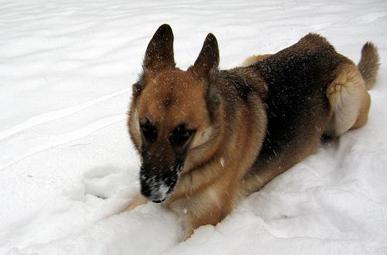 1Large
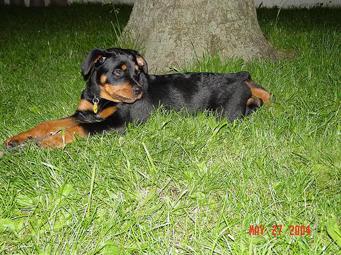 2Large
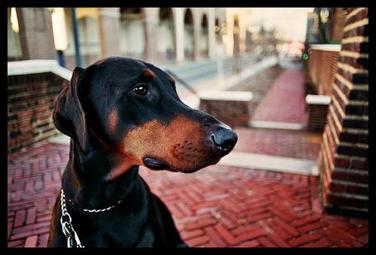 3Large
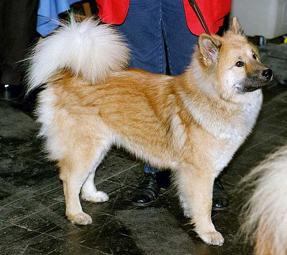 4Large
 5Large
 6Large
 7Large
 8Large
 9Large
Not sure which is right?Our quiz considers your specific lifestyle, space, and preferences.
Take the Quiz →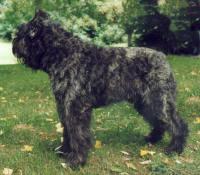 10Large
40 more breeds that fit
 11Large
 12Medium
 13Large
 14Large
 15Large
 16Large
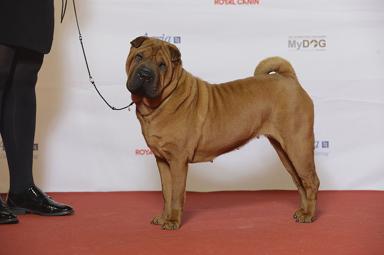 17Medium
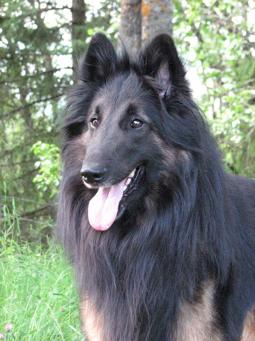 18Large
 19Large
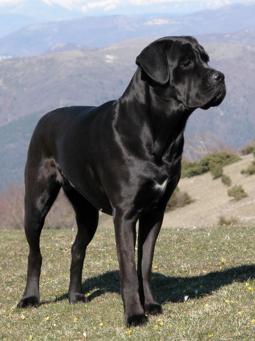 20Large
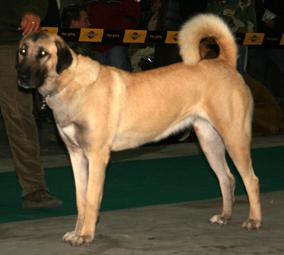 21Large
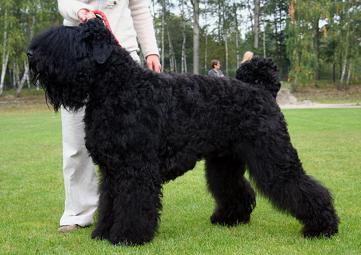 22Large
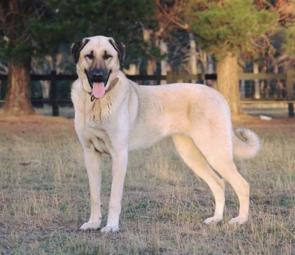 23Large
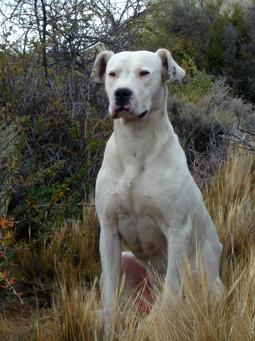 24Large
 25Large
 26Large
 27Large
 28Large
 29Large
 30Medium
 31Medium
 32Medium
 33Medium
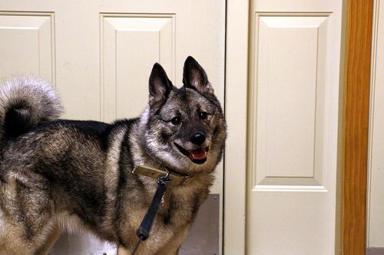 34Medium
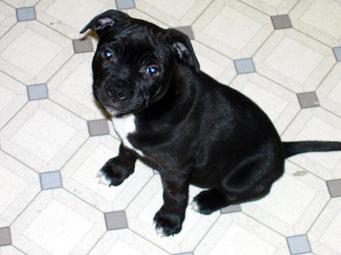 35Medium
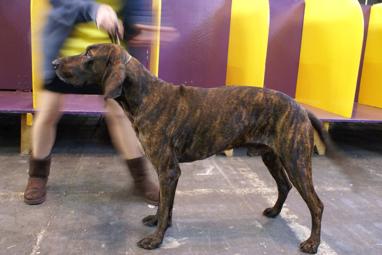 36Large
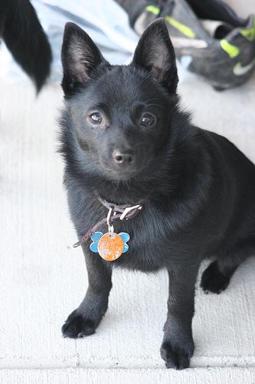 37Small
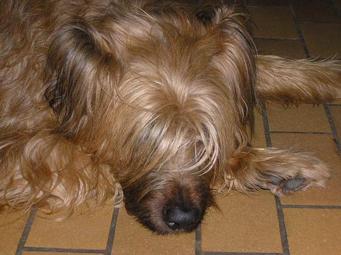 38Large
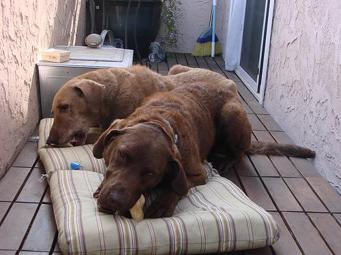 39Large
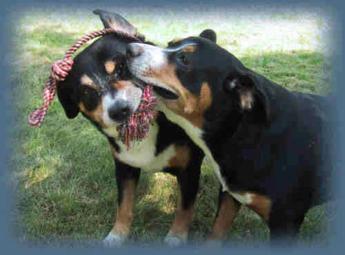 40Medium
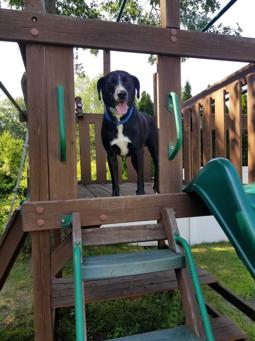 41Medium
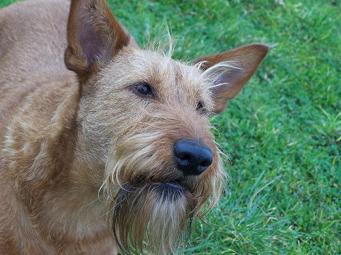 42Medium
 43Medium
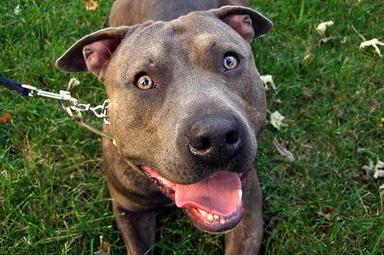 44Medium
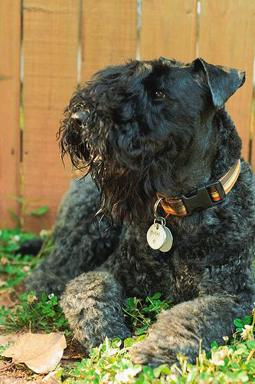 45Medium
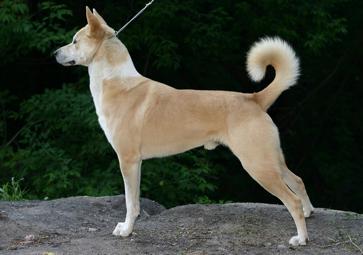 46Medium
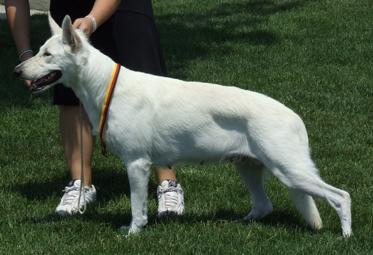 47Large
 48Large
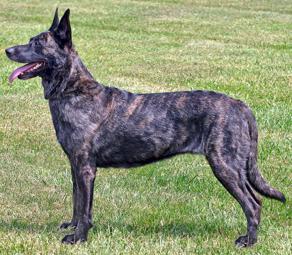 49Medium
 50Medium
Questions and answers
What is the best breed for personal protection?
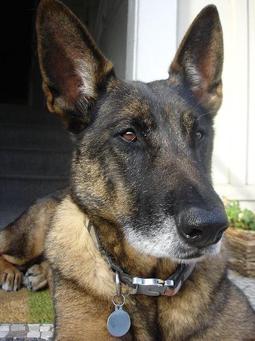
The German Shepherd and Belgian Malinois are the usual choices of police and professional trainers because they combine top guarding and trainability scores: 5 and 5 on our ratings for both. The Shepherd is steadier at home and rated 4 with kids; the Malinois is more intense and rated 3. The Rottweiler and Doberman are strong alternatives for experienced handlers.
Does protection training make a dog aggressive?
Done properly, no. Good protection training builds control: the dog learns to engage only on cue and to let go and return the moment you ask. Problems come from rushed bite work on a dog without solid obedience, or from encouraging a nervous dog to react. A stable temperament comes first, which is why reputable trainers test a dog before they start protection work.
Should I buy a trained protection dog or train a puppy myself?
A fully trained adult costs many times the price of a puppy, but you can see exactly what you are getting. Raising a puppy is cheaper up front, yet it takes one to two years of consistent work and the dog may still turn out unsuitable. Either way, you will need regular sessions with a trainer to keep the dog sharp and under control.
Can a protection dog live with a family?
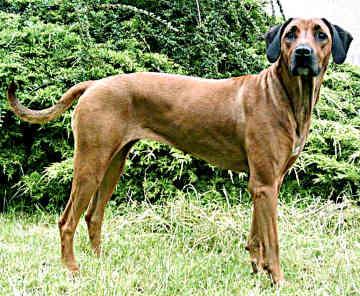
Many do, as long as the dog is socialized with children and guests from puppyhood and the whole household follows the same rules. Breeds rated 4 with kids on our scale, like the German Shepherd, Rhodesian Ridgeback and Bouvier des Flandres, tend to settle into family life more easily than those rated 3.
Do protection dogs cause problems with insurance or the law?
They can. Some US home insurers that do not restrict by breed still exclude dogs trained for guard, attack or protection work, and many restrict Rottweilers and Dobermans by breed. Owners are generally liable for bites, so check your policy, your lease and any local dangerous dog ordinance before you start bite work.
Not sure which is right?Our quiz considers your specific lifestyle, space, and preferences.
Take the Quiz →