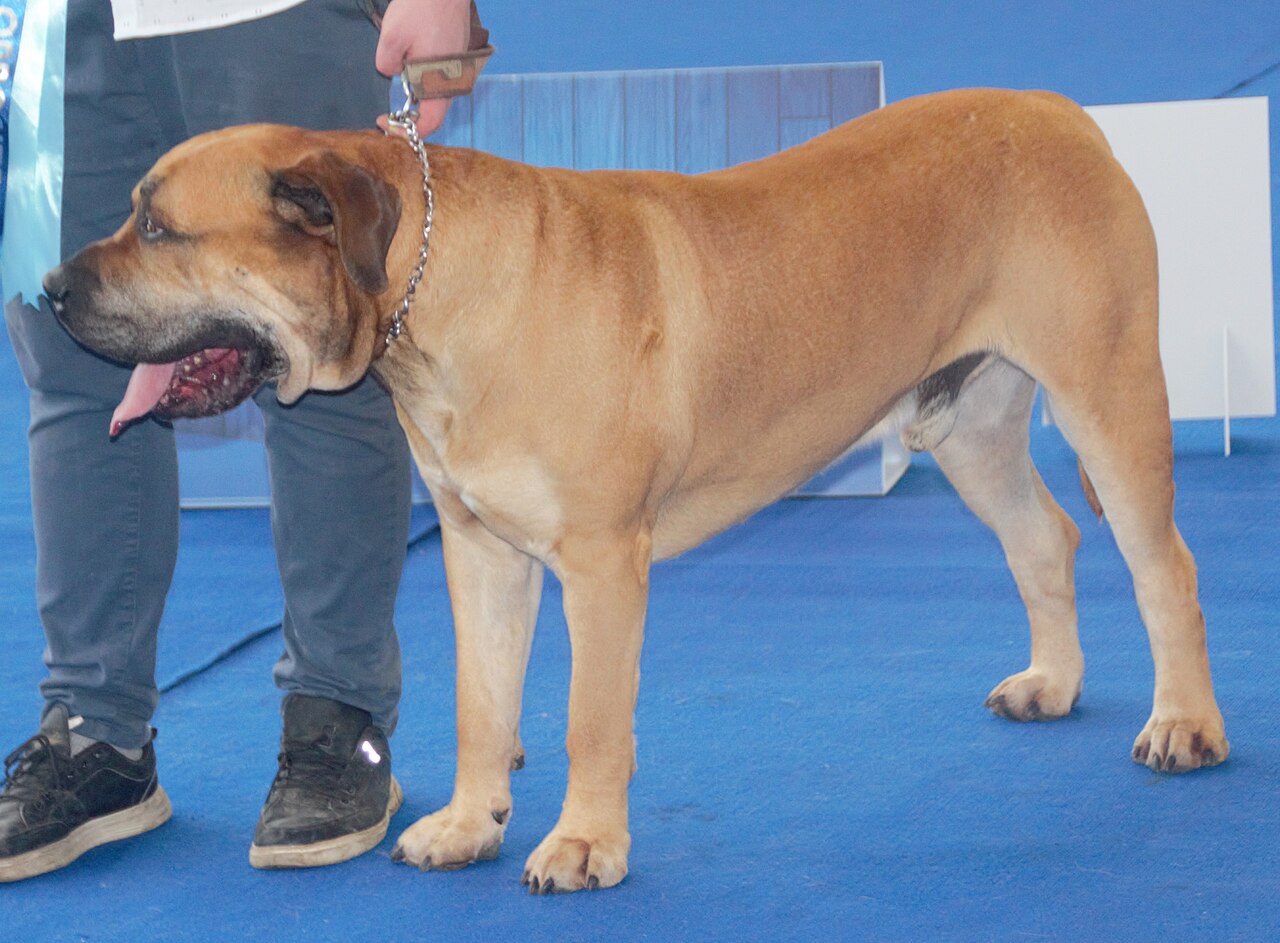
Origin and history
The Boerboel is South Africa's farm mastiff. In Afrikaans boer means farmer and boel comes from boelhond, a bulldog-type dog. When Jan van Riebeeck landed at the Cape in 1652 he brought a Bullenbeisser, a now extinct "bull biter". Settlers crossed such dogs with whatever large, tough dogs arrived, and from the 1920s De Beers imported British Bullmastiffs to guard its diamond mines, which further shaped the breed.
For centuries nobody kept pedigrees: farmers bred the dogs that survived the bush and kept predators away from the homestead. Organised breeding began in the early 1980s, with the first breeders' association founded in 1983. The Kennel Union of Southern Africa recognises the breed; the FCI does not. In the US the Boerboel entered the AKC Foundation Stock Service in 2006 and was fully recognised in the Working Group in 2015.
Temperament and character
The AKC standard calls it "a dominant and intelligent dog with strong protective instincts and a willingness to please". In practice:
- With its family it is affectionate and often follows people from room to room.
- With strangers it is calm and watchful, not friendly. A well-bred Boerboel sizes up a visitor and steps between you and anyone it does not trust without being asked.
- It guards territory by instinct and will often patrol the fence line on its own.
- It may not tolerate other dogs, especially of the same sex. The AKC standard even states that "an aggressive or belligerent attitude towards other dogs should not be faulted".
A poorly socialised Boerboel is a real liability: a dog this heavy that misjudges a situation can do serious harm. It is more athletic than the Mastiff and heavier than the Cane Corso.
Size and appearance
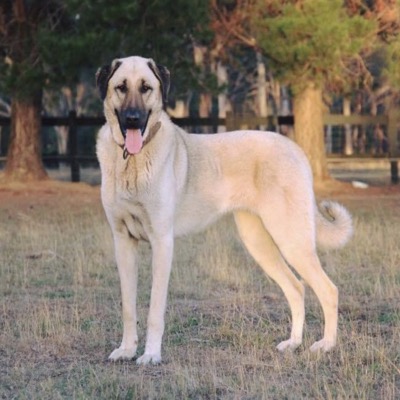
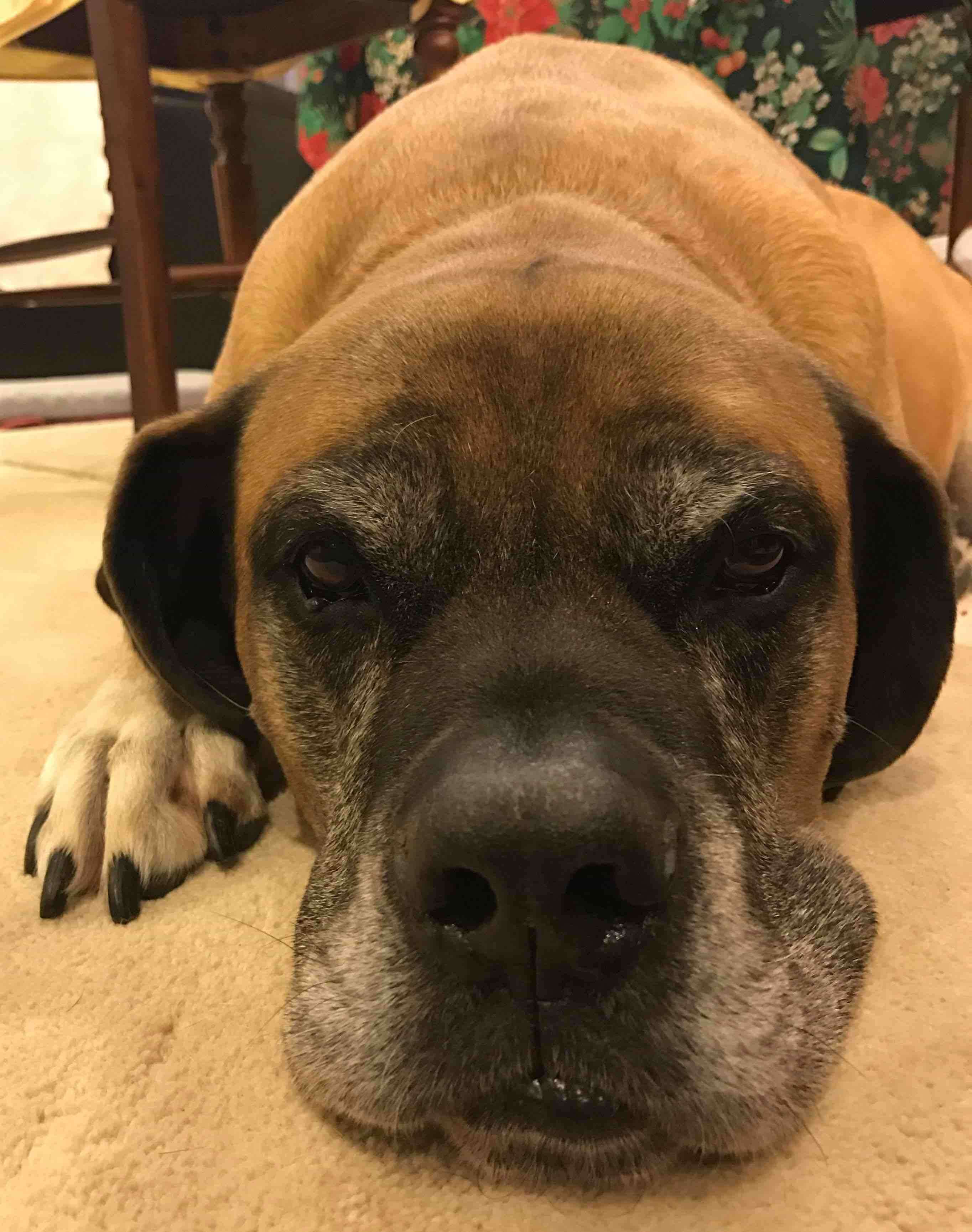
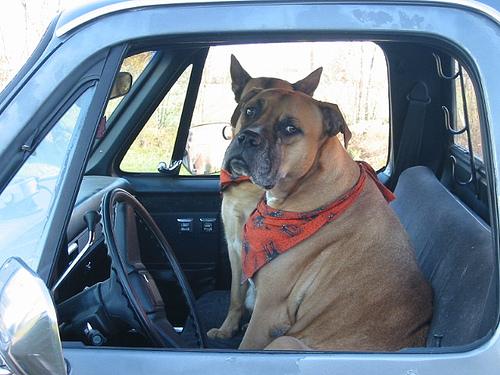
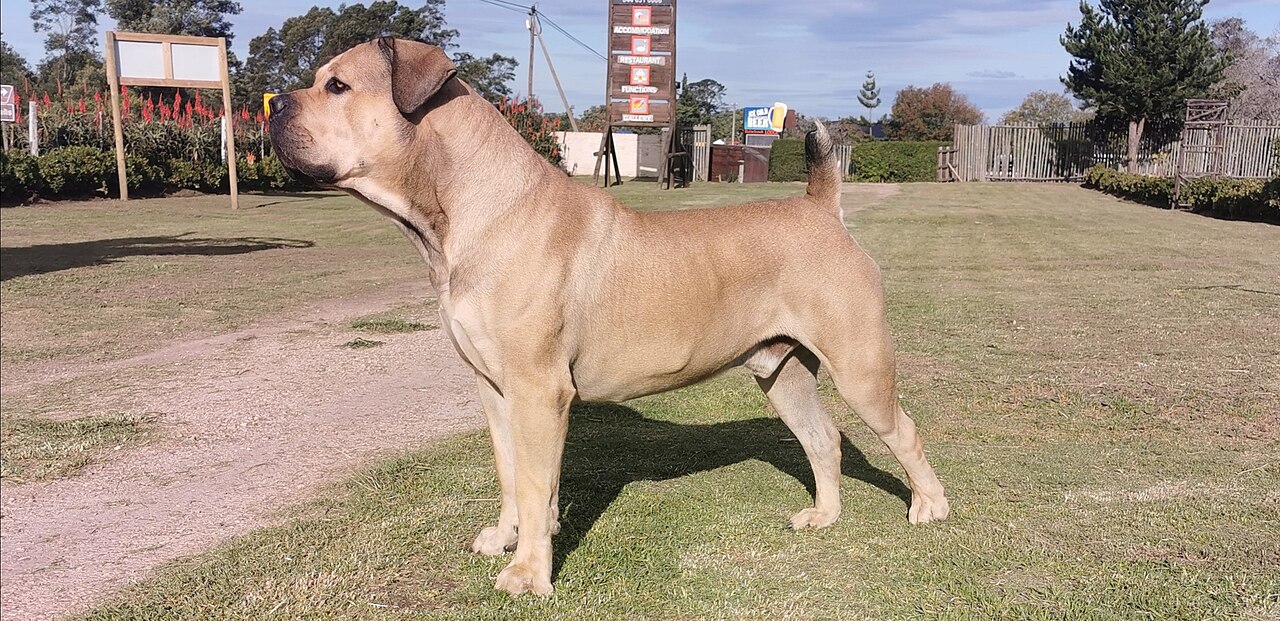
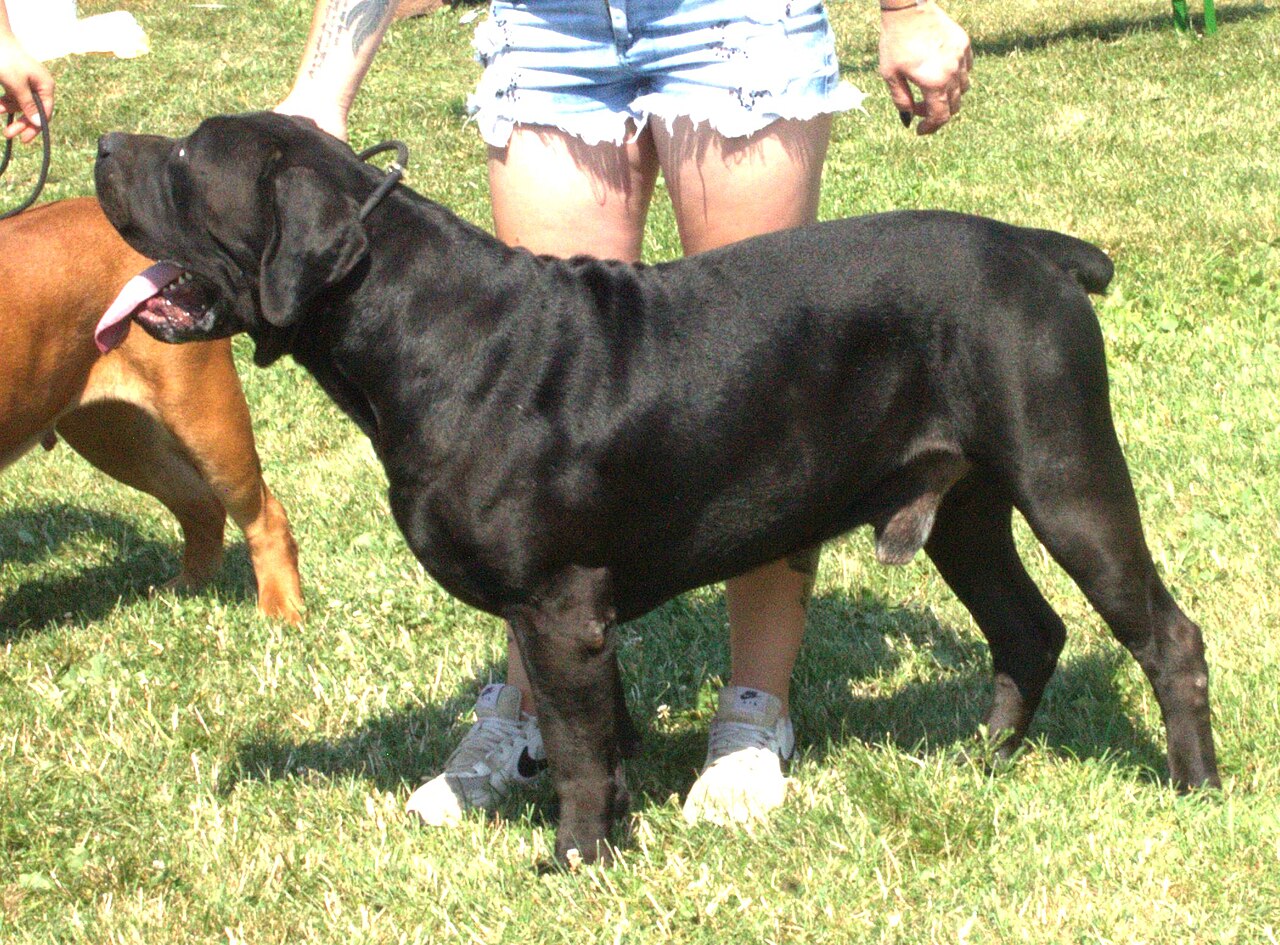
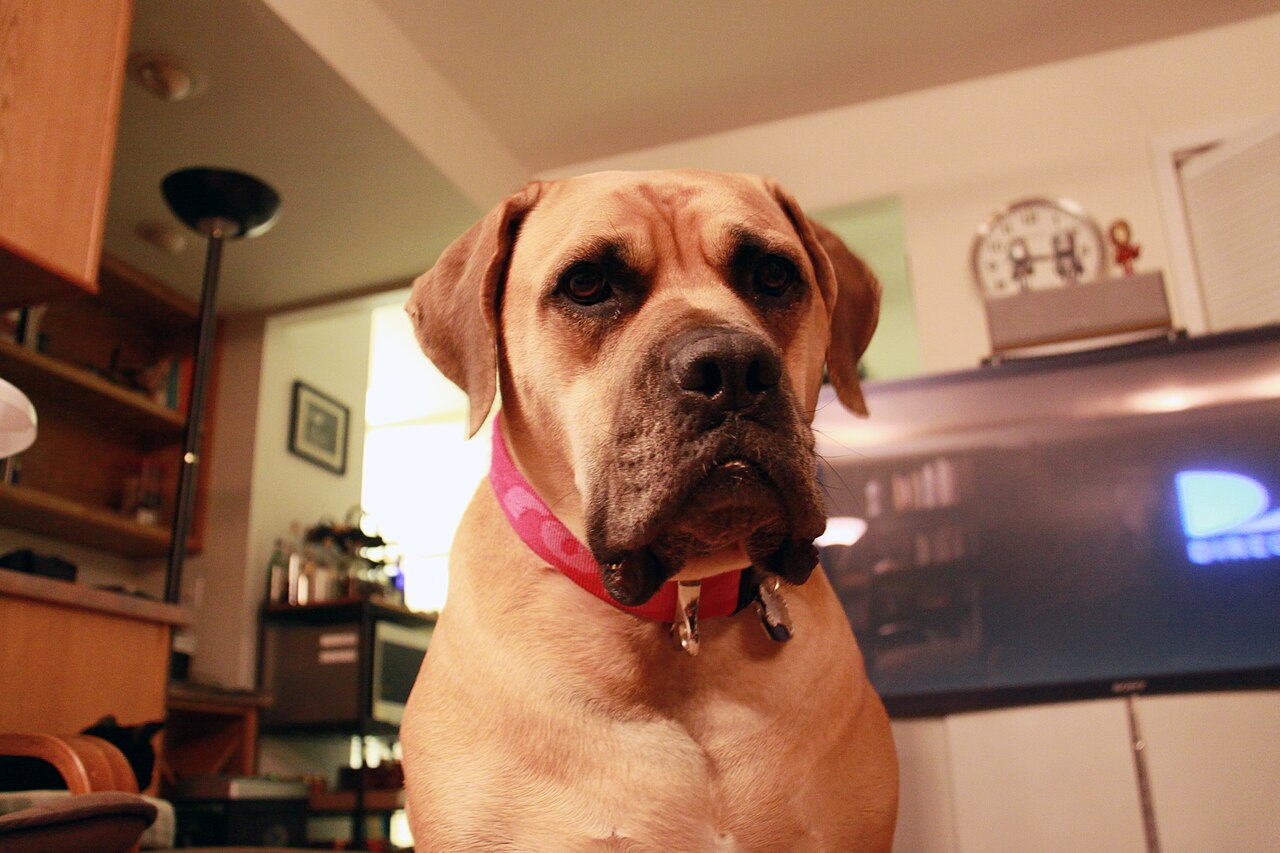
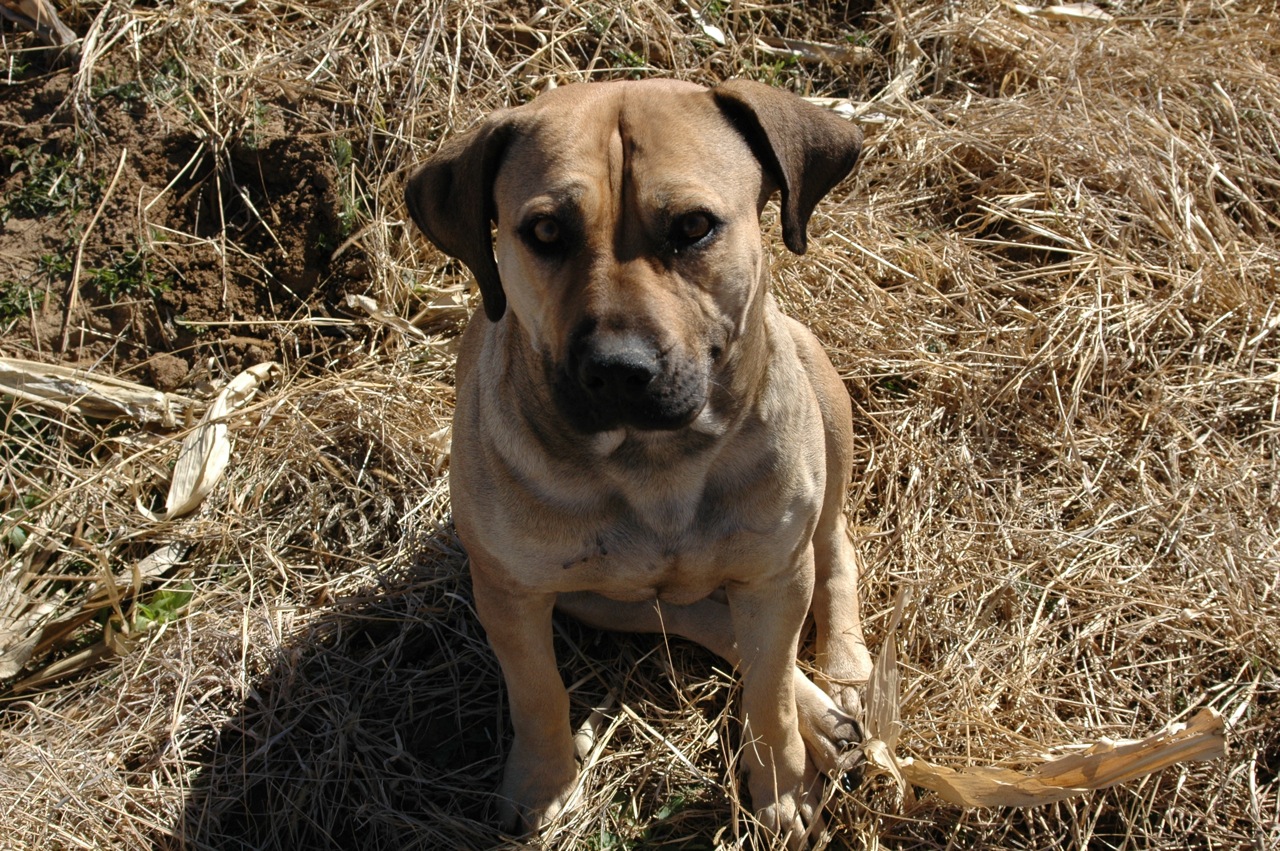
The standard describes "the most agile of the molosser breeds": blocky head, muscular body, short dense coat and thick loose skin. Colours include red, brown, fawn, cream and brindle, with or without a black mask.
| Males | Females | |
|---|---|---|
| Height (AKC) | 24-27 in | 22-25 in |
| Weight (AKC) | 150-200 lbs | 150-200 lbs |
| Lifespan | 9-11 years | 9-11 years |
| Coat | Short, dense, smooth | Short, dense, smooth |
In metric terms males stand about 61-69 cm and weigh 68-91 kg. The South African breed society puts the ideal at 66 cm for males and 61 cm for females and values balance and agility over sheer bulk.
Exercise and daily life
Plan on about an hour of activity a day: walks, time in a securely fenced yard and some mental work such as training or scent games. It is not a jogging partner, and growing puppies should not be pushed into long runs or lots of stairs.
An apartment is a poor fit: shared hallways trigger guarding, and every walk past other dogs needs a handler who can control a dog heavier than most adults. A house with a high, solid fence is the realistic setup. An adult can usually manage a working day alone if it gets exercise and company before and after, but a bored, isolated guard dog becomes more territorial, not calmer.
Training
The Boerboel learns quickly but tests boundaries, especially as an adolescent. What works:
- Calm, consistent rules from day one. Teach loose-leash walking while the puppy is still small enough to hold.
- Deliberate socialisation: children, delivery drivers, vet visits, traffic. The goal is a dog that finds normal life boring.
- Reward-based training with clear structure. Harsh corrections tend to produce a defensive dog or one that tunes you out.
- A reliable "leave it", recall and "place" command. These keep guests safe.
Typical problems are leash pulling, guarding the house against welcome visitors and friction with other dogs. Most Boerboels need impulse control far more than protection work.
Grooming
Easy. Brush weekly with a rubber curry or grooming mitt; shedding is moderate. Check ears, brush teeth and trim nails from puppyhood on, because restraining an adult that refuses is not realistic.
Health
The American Boerboel Club calls the breed generally healthy but prone to the problems of other giant breeds:
- Hip and elbow dysplasia
- Bloat (gastric dilatation-volvulus), a surgical emergency
- Dilated cardiomyopathy and other heart disease
- Entropion and ectropion (eyelid defects, disqualifying in the AKC standard)
- Vaginal hyperplasia in females and juvenile epilepsy
Ask for results on both parents. The club recommends hip evaluation (OFA after 2 years or PennHIP after 12 months), OFA elbows after 2 years, and a cardiac exam by a specialist after 12 months. An eye exam is a sensible extra. Typical lifespan is 9 to 11 years.
Cost
A pet-quality puppy from a breeder who health tests the parents typically costs $1,500 to $3,000; show lines cost more. Much cheaper puppies usually mean no health testing.
Food is the big running cost, about $140 to $300 a month for a dog this size. With routine vet care and preventives, plan on roughly $2,500 to $4,500 a year; one breed guide that also counts insurance and supplements arrives at $4,500 to $7,000. Add a solid fence, a giant crate and possibly a higher home insurance premium.
Who it suits and who it does not
Good fit:
- Experienced owners of guardian breeds such as the Rottweiler or Bullmastiff
- A house with a securely fenced yard, rural or suburban
- Families who want a watchful guardian and will invest real time in training
Not a good fit:
- First-time dog owners
- Apartments, multi-dog households and dog parks
- Anyone whose lease or insurance excludes the breed, or who may move to a country that bans it, such as Denmark or France