Best Dog Breeds for Running Partners
High-energy dogs that love to run. Endurance, speed, and stamina compared.
 1Large
 2Large
 3Large
 4Medium
 5Large
 6Medium
 7Medium
 8Medium
 9Large
Not sure which is right?Our quiz considers your specific lifestyle, space, and preferences.
Take the Quiz →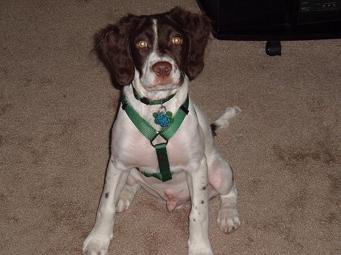 10Medium
 11Medium
 12Large
 13Large
 14Large
 15Large
 16Small
 17Medium
 18Large
 19Large
 20Medium
 21Large
 22Medium
 23Large
 24Small
 25Large
 26Large
 27Small
 28Large
 29Medium
 30Small
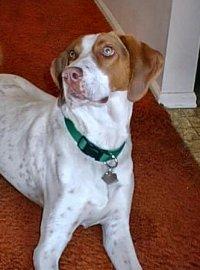 31Large
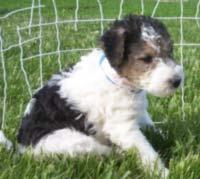 32Small
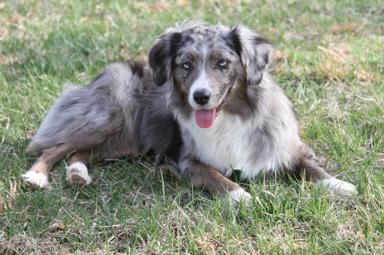 33Small
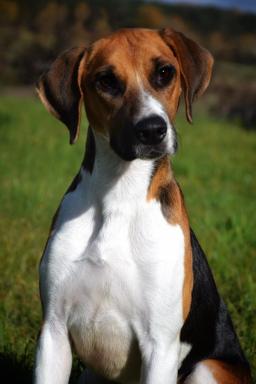 34Medium
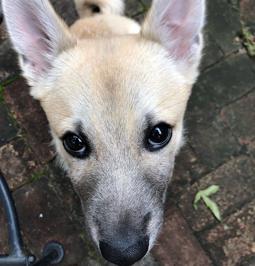 35Medium
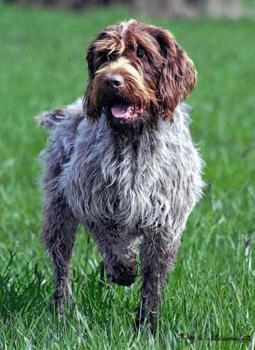 36Medium
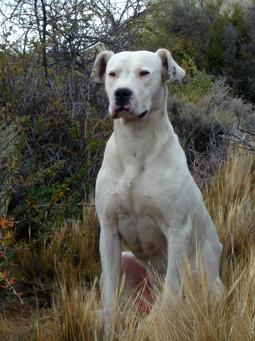 37Large
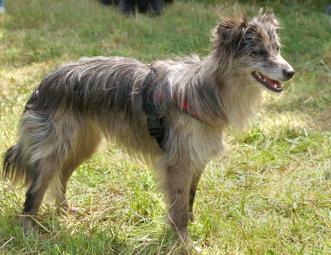 38Small
 39Medium
 40Medium
Questions and answers
What is the best dog breed for long-distance running?
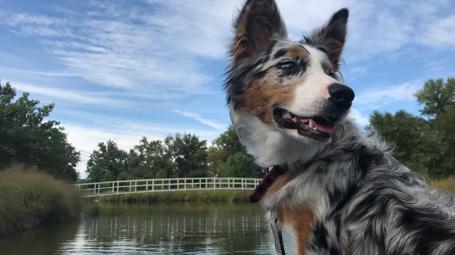
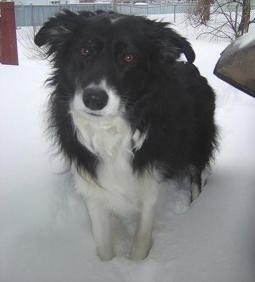
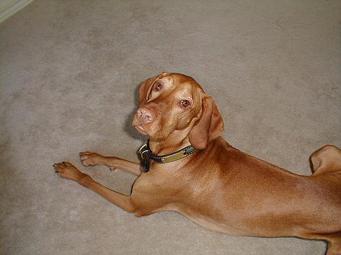
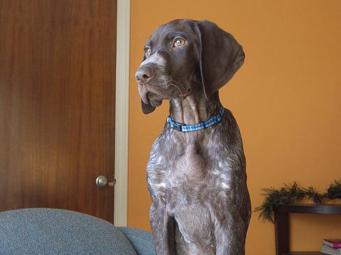
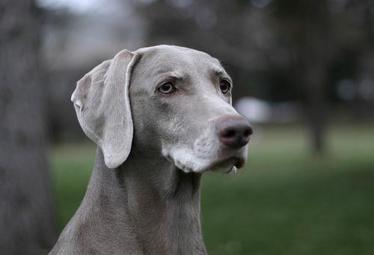
For distance, lean sporting breeds with short coats are the usual pick: the Vizsla, German Shorthaired Pointer and Weimaraner all score 5 for energy on our scale and weigh 44-90 lbs between them. Herding breeds like the Border Collie and Australian Shepherd also cope well with distance. Build mileage slowly and watch for lagging or heavy panting.
At what age can my puppy start running with me?
The AKC advises waiting until bones and joints have matured: about 6 to 8 months for small breeds, 12 months for medium breeds, 12 to 18 months for large breeds and 18 to 24 months for giant breeds. Before that, free play and short walks are fine, but sustained running on pavement can damage growing joints. Ask your vet before you start.
How far can a dog run with me?
It depends on the breed, age and fitness of your dog, so start the way you would start a new runner. The AKC suggests mixing short running stretches into your walks and increasing the running share each time. Bring water, stop when your dog lags behind or pants heavily, and add distance only when a run leaves your dog keen for the next one.
Is it safe to run with my dog in hot weather?
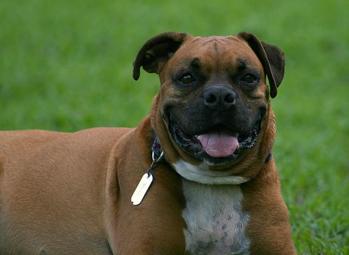
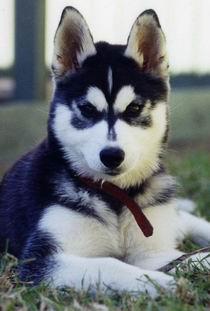
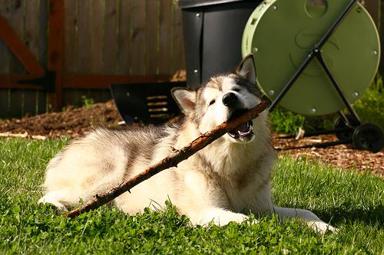
Dogs handle heat and humidity worse than people do, because they cool themselves mainly by panting. On warm days run early in the morning or late in the evening, choose grass or shaded trails over asphalt, and carry water. Short-nosed and thick-coated breeds such as the Boxer and Siberian Husky need extra care and shorter runs in summer.
What is a good small dog for running?
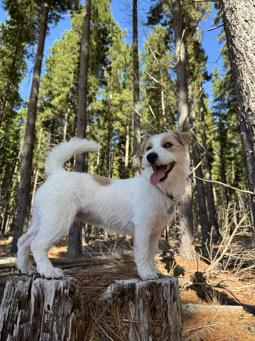
The Jack Russell Terrier scores 5 for energy on our scale and weighs only 9-15 lbs, so it fits an apartment and still keeps up on shorter runs. The Brittany, at 30-40 lbs, is a mid-sized option with real endurance. Very small or flat-faced breeds are better walking partners than running partners.
Not sure which is right?Our quiz considers your specific lifestyle, space, and preferences.
Take the Quiz →