Best Large Dog Breeds for Families
Big, gentle, family-friendly large breeds. Great with kids and loyal companions.
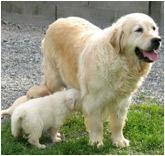 1Large
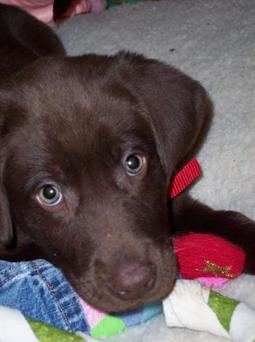 2Large
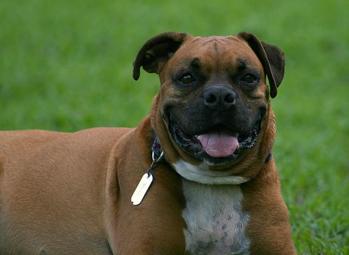 3Large
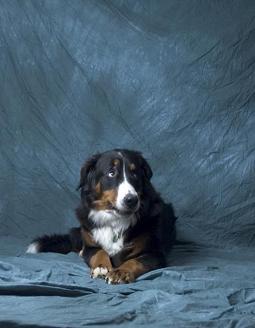 4Large
 5Large
 6Large
 7Large
 8Large
 9Large
Not sure which is right?Our quiz considers your specific lifestyle, space, and preferences.
Take the Quiz →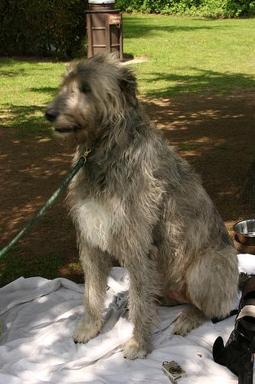 10Large
 11Large
 12Large
 13Large
 14Large
 15Large
 16Large
 17Large
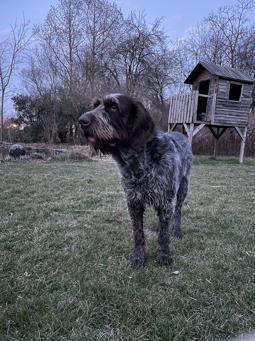 18Large
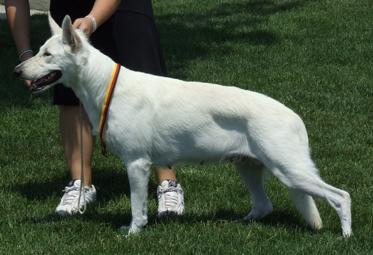 19Large
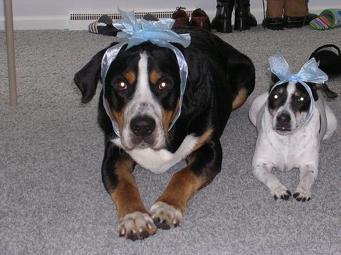 20Large
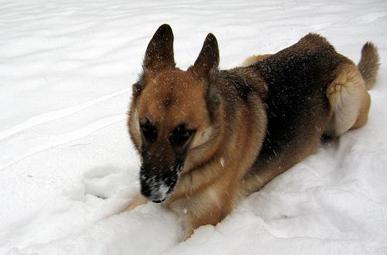 21Large
 22Large
 23Large
 24Large
 25Large
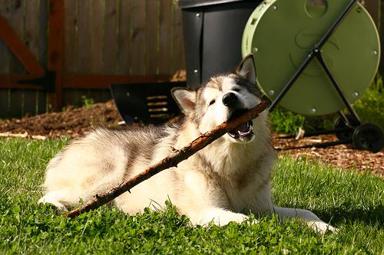 26Large
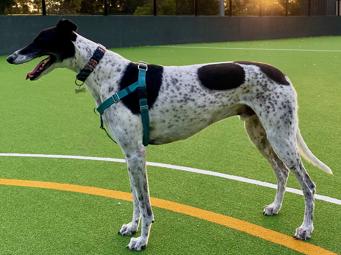 27Large
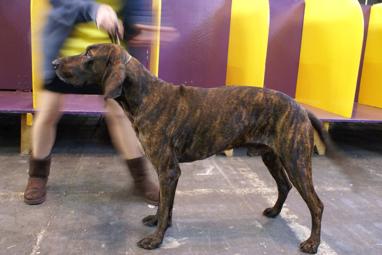 28Large
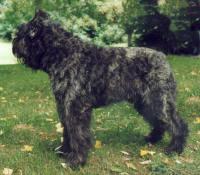 29Large
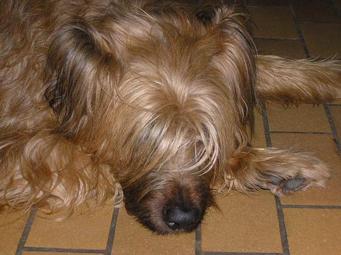 30Large
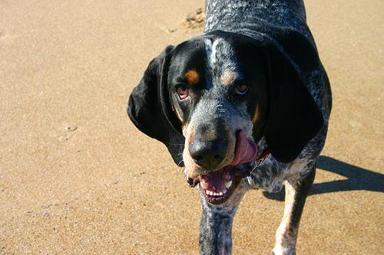 31Large
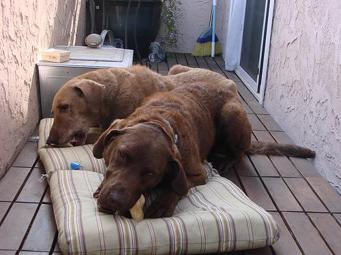 32Large
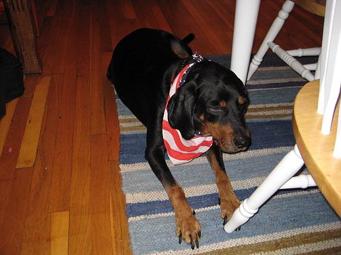 33Large
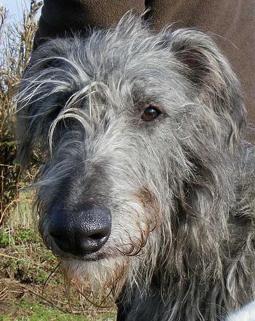 34Large
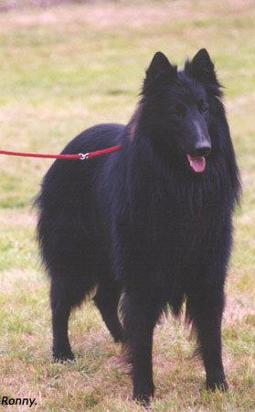 35Large
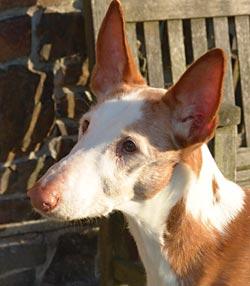 36Large
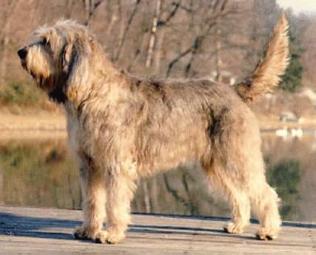 37Large
 38Large
 39Large
 40Large
 41Large
 42Large
 43Large
 44Large
 45Large
Questions and answers
What is the best large dog breed for a family?
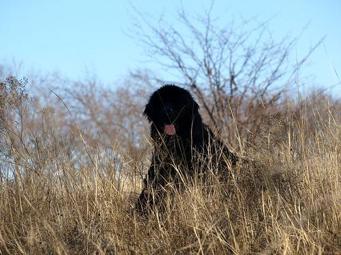
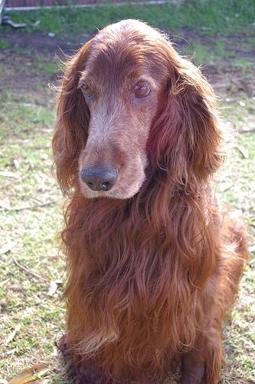
The Golden Retriever and Labrador Retriever lead because they combine a 5/5 kid score with 5/5 trainability and moderate grooming. If you want a calmer big dog and can handle more hair, the Bernese Mountain Dog and Newfoundland are rated 5/5 with kids as well, but they weigh 70 to 150 lbs and live shorter lives. For an active family that hikes or runs, the Boxer or Irish Setter fits better.
Are large dogs safe with toddlers?
Many large breeds are patient with children, and every breed on this page scores 4 or 5 out of 5 for kid-friendliness. The risk is mostly size and enthusiasm: a young Lab or Boxer can knock a small child down while playing. The AVMA advises never leaving young children alone with any dog. Baby gates, a crate the kids stay out of and a trained "settle" command make a big dog much easier with toddlers.
How long do large family dogs live?
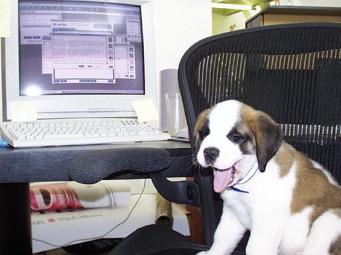
Lifespan falls as size rises. In our data the Labrador Retriever lives 10 to 14 years and the Golden Retriever and Boxer 10 to 12, while the Newfoundland reaches 9 to 10, the Saint Bernard 8 to 10, the Bernese Mountain Dog 7 to 10 and the Irish Wolfhound 6 to 8. If your children are young, a giant breed may not see them through school, which is worth talking about before you buy.
How much does a large dog cost per year?
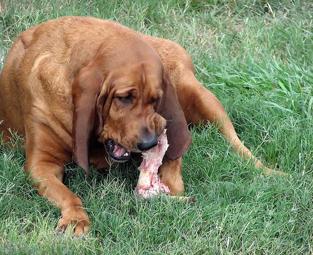
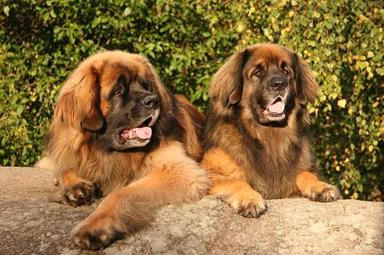
Our yearly running cost, covering food, routine vet care and grooming, is $1,200 to $2,000 for a Golden, Lab, Boxer or Irish Setter, $1,500 to $2,500 for a Bernese Mountain Dog or Bloodhound, and $2,000 to $3,500 for the Newfoundland, Saint Bernard, Irish Wolfhound and Leonberger. Giant breeds also cost more at the vet because drugs and anesthesia are dosed by weight.
When is a large breed puppy fully grown?
According to the AKC, giant breeds keep growing until 12 to 18 months, and the very biggest, such as Mastiffs, may not reach full size until 24 months. Growth plates stay open during that time, so the AKC advises against jogging or road work before 14 to 18 months, especially with large and giant breeds. Plan on free play and moderate walks for the first year and a half, even when the dog already looks adult.
Not sure which is right?Our quiz considers your specific lifestyle, space, and preferences.
Take the Quiz →