Origin and history
The Spanish Mastiff, or Mastín Español, is Spain's giant livestock guardian. The FCI standard ties the breed to the seasonal migration of the flocks, above all the Merino sheep, which it already escorted in the days of the Mesta, the medieval association of sheep owners. Its job was to defend the flocks from wolves and other predators on the long routes between winter pastures in the south and summer pastures in the northern mountains, and on the grazing grounds themselves.
The AKC's breed history puts its roots on the Iberian Peninsula more than 2,000 years ago and quotes the Roman agronomist Columella, who wrote in the first century that the herd's mastiffs should be white so that shepherds could tell them from wolves in the darkness before dawn. According to the AKC, at the height of the migrations there was at least one mastiff for every 100 sheep. Many Spanish Mastiffs still do this work today; the FCI standard says the breed "accompanies numerous herds, whether sedentary or wandering", and also guards farms, people and property.
The FCI accepted the breed on a definitive basis on November 13, 1954. Spain holds the standard: FCI No. 91, Group 2, Section 2.2 (Molossoid breeds, mountain type), without working trial. The valid standard dates from 1982. In Spain the breed club, the Asociación Española del Perro Mastín Español (AEPME), was founded in 1981 and has run a breeding plan since 1998.
In the US the breed is not fully recognized. The Spanish Mastiff has been recorded in the AKC Foundation Stock Service since August 2008 and has been assigned the Working Group designation. FSS is a record-keeping service for rare breeds, not full AKC registration. The breed has no AKC-affiliated club, and US breeders are few, so many dogs are imported from Spain.
Temperament and character
The FCI standard describes the Spanish Mastiff as "rustic, affectionate, kind and noble", but "very determined when facing dangerous animals and in front of strangers, especially when he has the opportunity to defend and protect farms or cattle." It is "a dog sure of himself", aware "of his enormous power". In daily life:
- It is calm with its own people. Indoors it is quiet and easygoing, and it bonds closely with its family.
- It is wary of strangers. It decides for itself who belongs on its territory, and its look turns "very hard in front of strangers", as the standard puts it.
- It is a livestock guardian. It patrols, barks at anything unusual, especially at night, and it was bred to make its own decisions, not to wait for commands.
- It can be intolerant of strange dogs. Its family's animals, including livestock, are usually accepted; unknown dogs on its ground are not.
With children of its own family it is usually patient and gentle. The risk is its size, plus a guardian that may misread rough play or a crowd of visiting kids.
Size and appearance
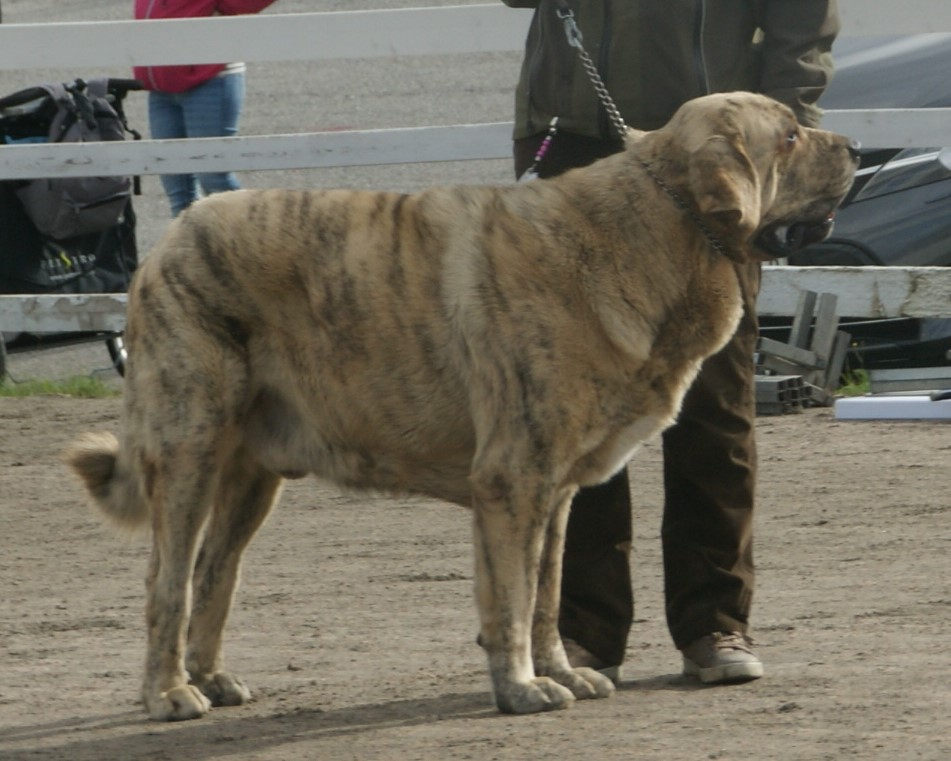
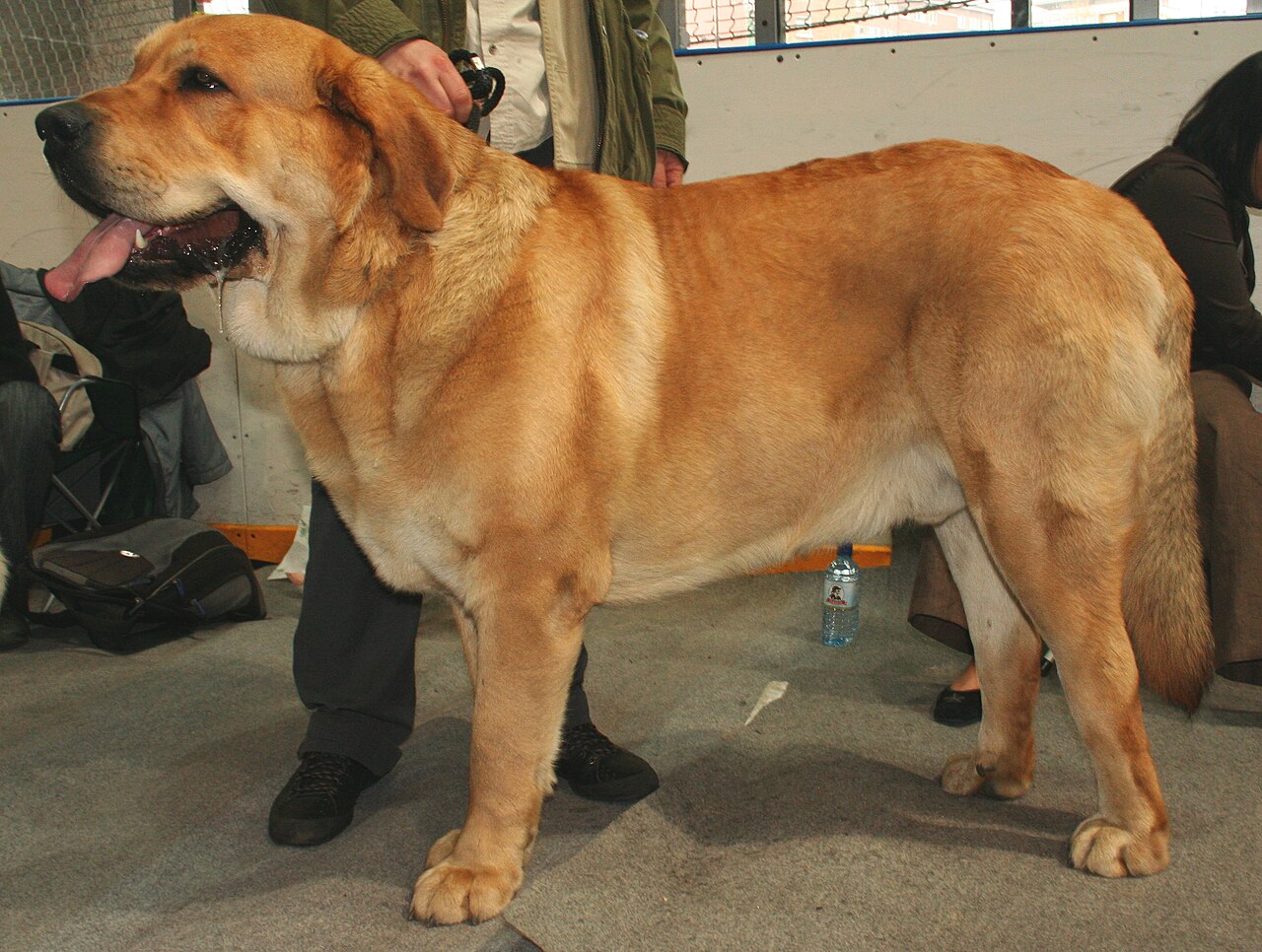
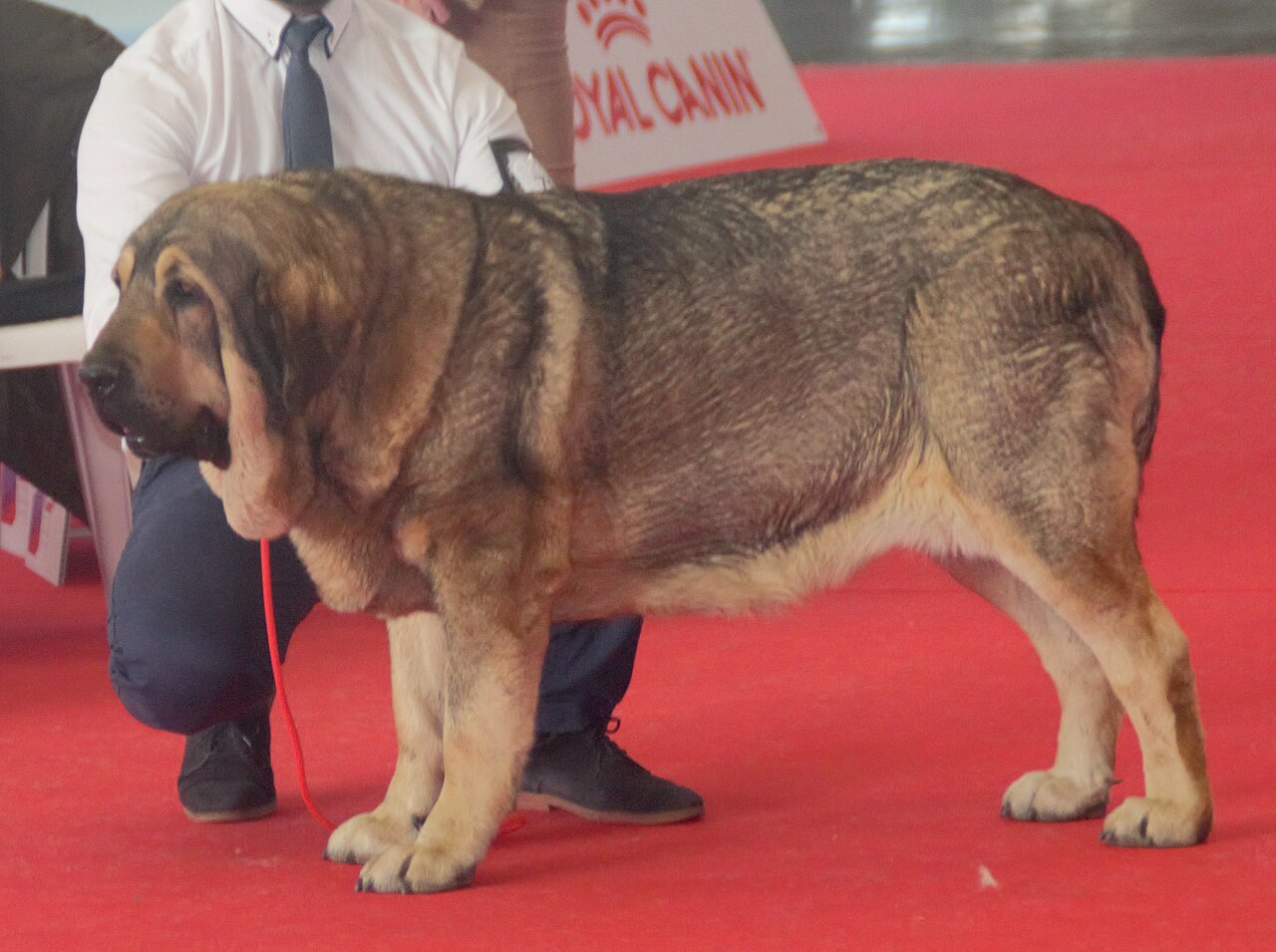
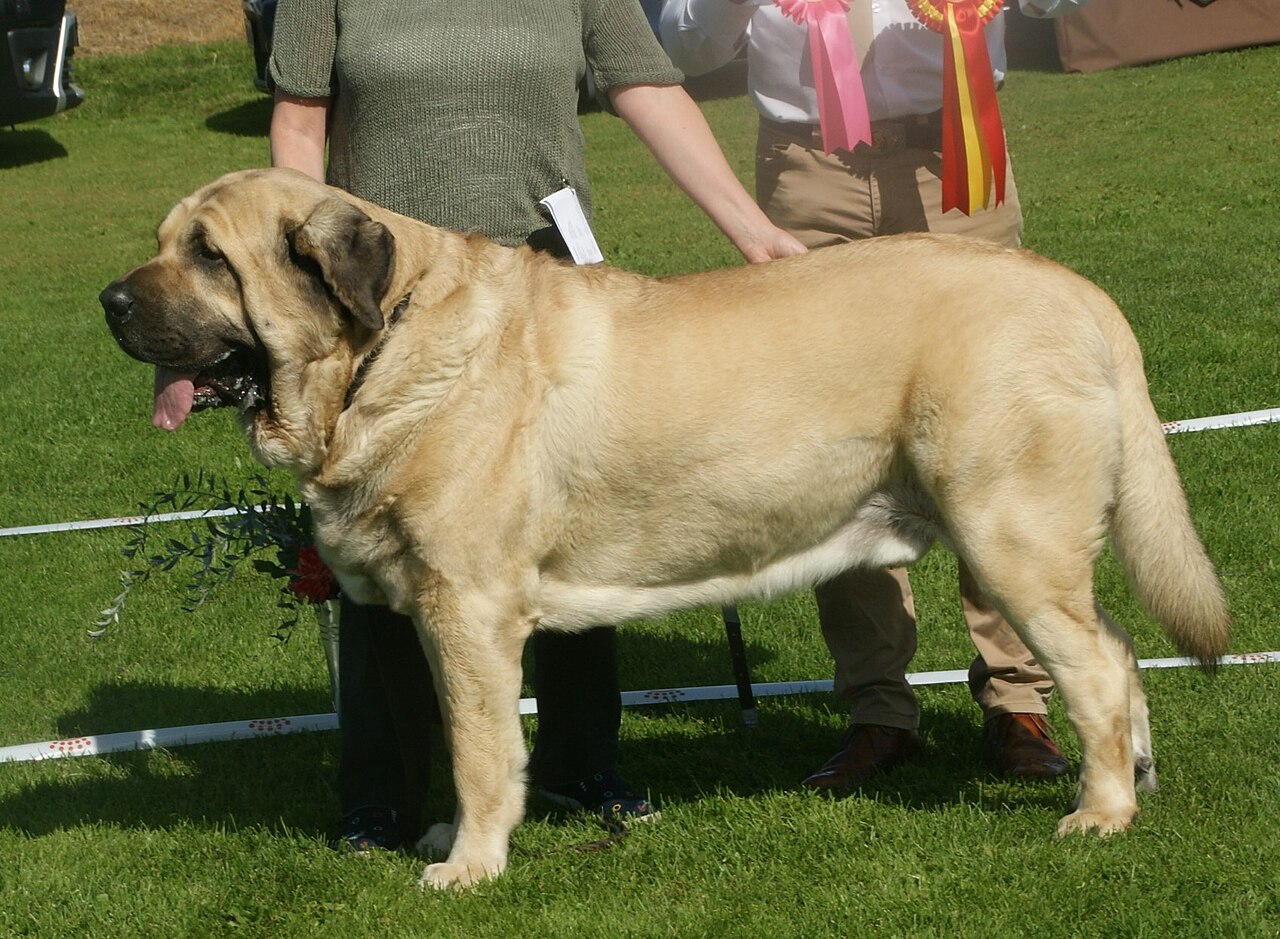
A very large, powerful dog, longer than tall, with a massive head, loose lips and a double dewlap. The coat is dense, thick and of medium length, longer and silkier on the tail. The FCI standard calls the color "indifferent": most appreciated are solid yellow, fawn, red, black, wolf grey and deer red, and brindle, parti-colour or a white collar are also appreciated.
| Males | Females | |
|---|---|---|
| Height (FCI minimum) | 30.3 in (77 cm) | 28.3 in (72 cm) |
| Height (FCI desirable) | over 31.5 in (80 cm) | over 29.5 in (75 cm) |
| Weight (AKC) | 140-200 lbs | 140-200 lbs |
| Lifespan (AKC) | 10-12 years | 10-12 years |
| Coat | Dense, medium length | Dense, medium length |
The FCI standard sets no upper size limit and no weight; the biggest dogs are the most prized as long as they stay harmonious. Its bark is "raucous, low pitched and deep", audible "from a considerable distance".
Exercise and daily life
The AKC calls it "a relatively calm breed" that still needs daily exercise: walks several times a day and time in a fenced yard. It is not a jogging partner. Puppies grow fast, so no stairs, long hikes or jumping until the joints mature.
What matters more than exercise is room and fencing. A Spanish Mastiff wants a territory to watch, and it will try to extend it. Plan on a tall, solid fence and a dog that barks at night at deer, coyotes and passers-by. The thick coat handles cold well; in summer, keep walks to the cool hours and provide shade and water. Expect some drool, especially after drinking.
Training
The Spanish Mastiff is intelligent but independent, and it was bred to think for itself. What works:
- Short, calm sessions with food rewards. Harsh corrections make a guardian defensive.
- Intense socialization from 8 weeks into the second year: guests, vets, children, traffic, other dogs.
- Leash manners while the puppy is still small. A 180-pound adult that decides to go somewhere cannot be held by most people.
- Clear rules for visitors, so the dog learns that you decide who comes in.
Typical problems are night barking, guarding the yard and car, intolerance of strange dogs and ignoring a recall when something more interesting is on the horizon.
Grooming
The AKC recommends regular weekly grooming and the occasional bath. Brush once a week, and daily during the heavy seasonal shed, when the dense coat comes out in quantity. Check the ears, trim the strong, fast-growing nails and brush the teeth regularly. Wipe the lips and the eyes, since the lower lid shows some conjunctiva.
Health
The AKC calls Spanish Mastiffs "generally a healthy breed" and lists no breed-specific health tests. The known issues in a giant breed:
- Hip dysplasia. The main concern. Since 1998 the Spanish breed club's breeding plan has kept dysplastic dogs out of breeding above a grade the club sets. Under the current plan a D-graded dog may only be bred to an A, B or C partner; the club strongly recommends A or B and advises against breeding E dogs.
- Elbow dysplasia, common in giant, fast-growing breeds.
- Eyelid problems. The FCI standard lists excessive entropion or ectropion as serious faults.
- Bloat (gastric dilatation-volvulus), as in all giant, deep-chested breeds. Feed two or three meals a day and learn the signs.
Ask for hip and elbow results on both parents, from OFA or PennHIP for US dogs or the official FCI grading for imports. A reputable breeder will also tell you how old the grandparents lived.
Cost
A puppy from health-tested parents typically costs $2,000 to $4,000. With few US litters, a waiting list or an import from Spain is normal; shipping and import paperwork are extra.
Running costs for food, vet care, preventives and supplies come to roughly $2,000 to $3,500 a year. Everything is priced by weight, from medication to anesthesia, and bloat or orthopedic surgery can cost several thousand dollars. Pet insurance is worth pricing before you buy.
Who it suits and who it does not
Good fit:
- Rural owners with livestock that need a guardian
- Experienced owners of large guardian breeds, perhaps after a Great Pyrenees or Anatolian Shepherd
- A house with a large, securely fenced property and neighbors who tolerate barking
Not a good fit:
- First-time owners or anyone who wants an obedient, sporty dog
- Apartments, townhouses and small suburban lots
- Households with frequent visitors or several unfamiliar dogs coming and going
- Anyone who wants a giant house dog without the guardian instinct; a Newfoundland is the gentler choice, and the Mastiff is a more home-oriented guardian