Origin and history
The Shikoku (also Shikoku Ken, "ken" meaning dog) is a medium-sized hunting spitz from the mountains of Shikoku, the smallest of Japan's four main islands. The FCI standard traces it back to medium-sized dogs that lived in Japan in ancient times and says it was bred mainly to hunt wild boar in the mountain districts of Kochi Prefecture, which is why it is sometimes called "Kochi-ken". There were three local varieties, Awa, Hongawa and Hata, each named after its area. The Hongawa stayed the purest, because its valleys were so hard to reach.
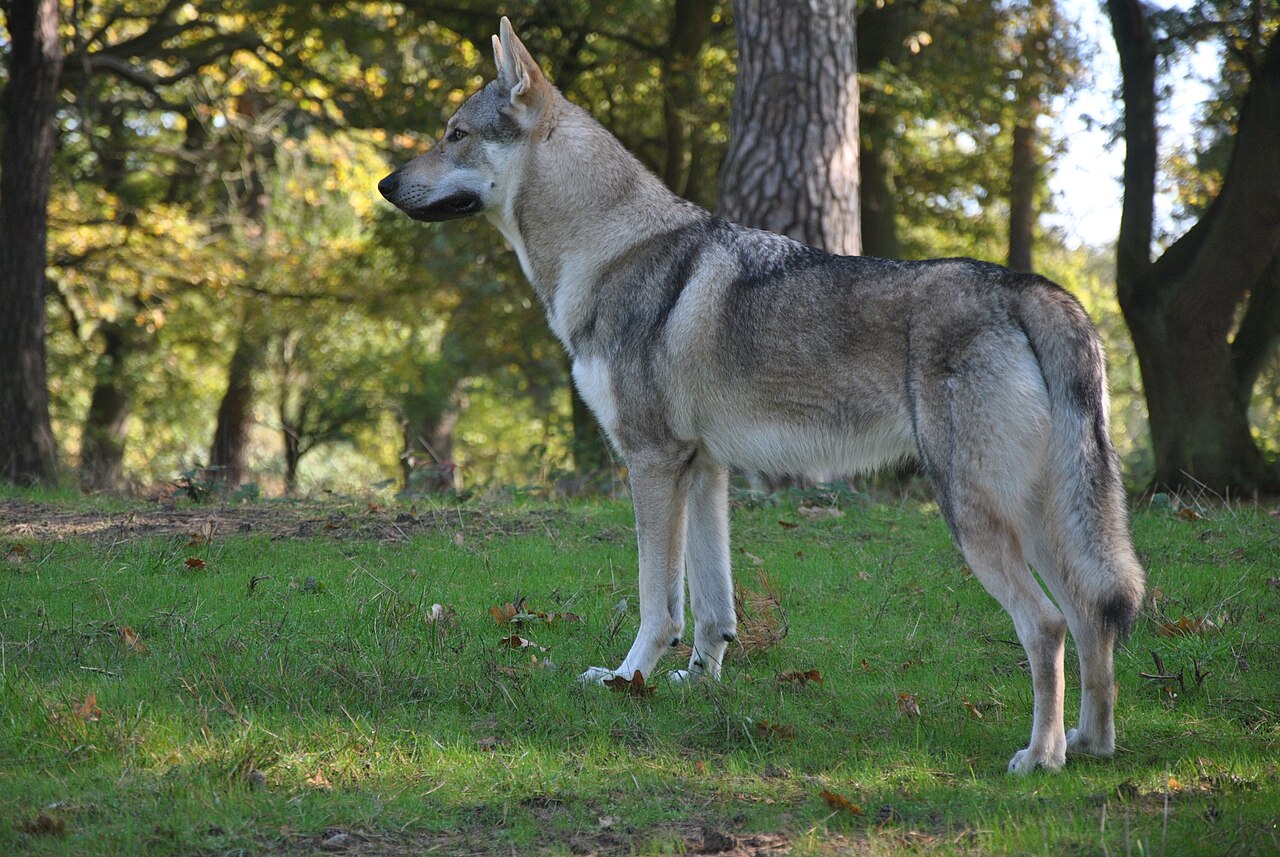
The Japanese preservation society Nihon Ken Hozonkai (NIPPO), founded in 1928, wrote the standards for the native breeds, and in 1937 Japan declared the Shikoku a "natural monument". The modern breed is thought to descend mostly from the Hongawa and Hata lines; the Awa line essentially disappeared after World War II. Today it is FCI standard No. 319, Group 5 (Spitz and primitive type), Section 5 (Asian Spitz), without working trial. It is not a Tosa (the Japanese mastiff), not a wolfdog and not a big Shiba.
In the US the AKC added the breed to its Foundation Stock Service on October 20, 2014. It is not yet a fully recognized AKC breed and cannot compete for AKC championships. Since May 2023 the American Shikoku Ken Club has been the AKC parent club; at its request the AKC renamed the breed "Shikoku Ken" in July 2025 and assigned it to the Hound Group for when it advances. The United Kennel Club has recognized it since 2006, in its Northern Breed Group. It is rare even in Japan, and many American dogs carry NIPPO pedigrees.
Temperament and character
The FCI standard describes a dog "of marked endurance, keen in sense with a naive feeling, energetic and highly alert; an enthusiastic hunter; docile towards his master". The parent club sums it up with three Japanese words: spirit and tenacity, devotion, and rustic, natural simplicity. In daily life:
- It is a hunter. It was bred to find and hold boar in steep forest. Prey drive is high, and squirrels, cats and deer all count.
- It is devoted to its own people and often aloof or wary with strangers. Shyness is a fault in the standard, but this is not a dog that greets everyone.
- It is dog-selective. The parent club says adults may love some dogs, tolerate others and dislike some. Leash reactivity is common in youngsters, and same-sex aggression is "fairly common" at maturity. Some breeders will not place a puppy in a home that already has another dog.
- It is handler-soft. Too many corrections and it shuts down; confusion can come out as pushy, blustery behavior.
Kids raised with a well-socialized Shikoku can do fine, but this is a dog for an adult who manages it, not a playmate to leave alone with children.
Size and appearance
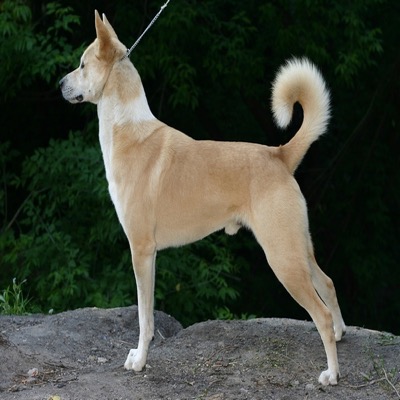
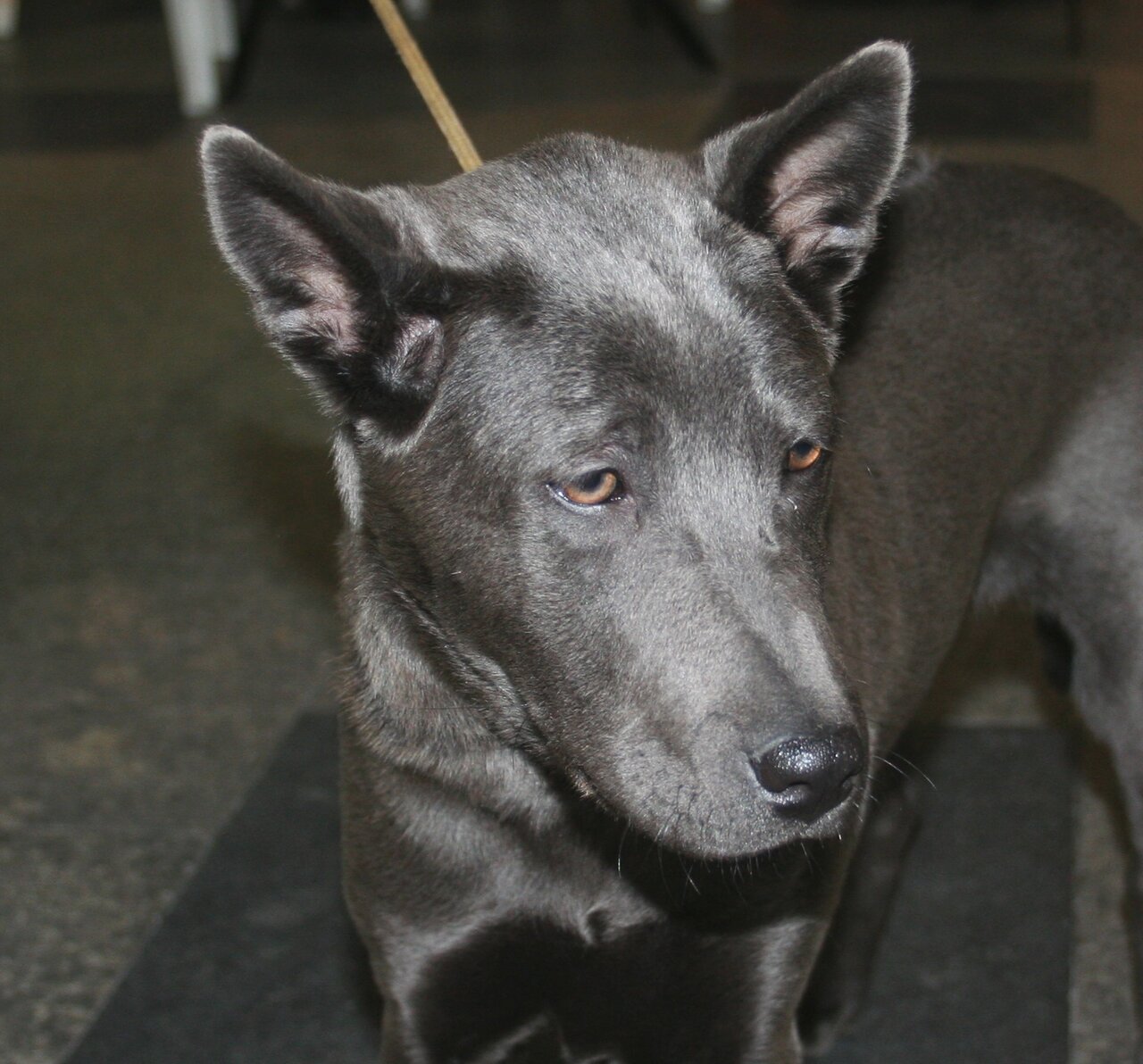
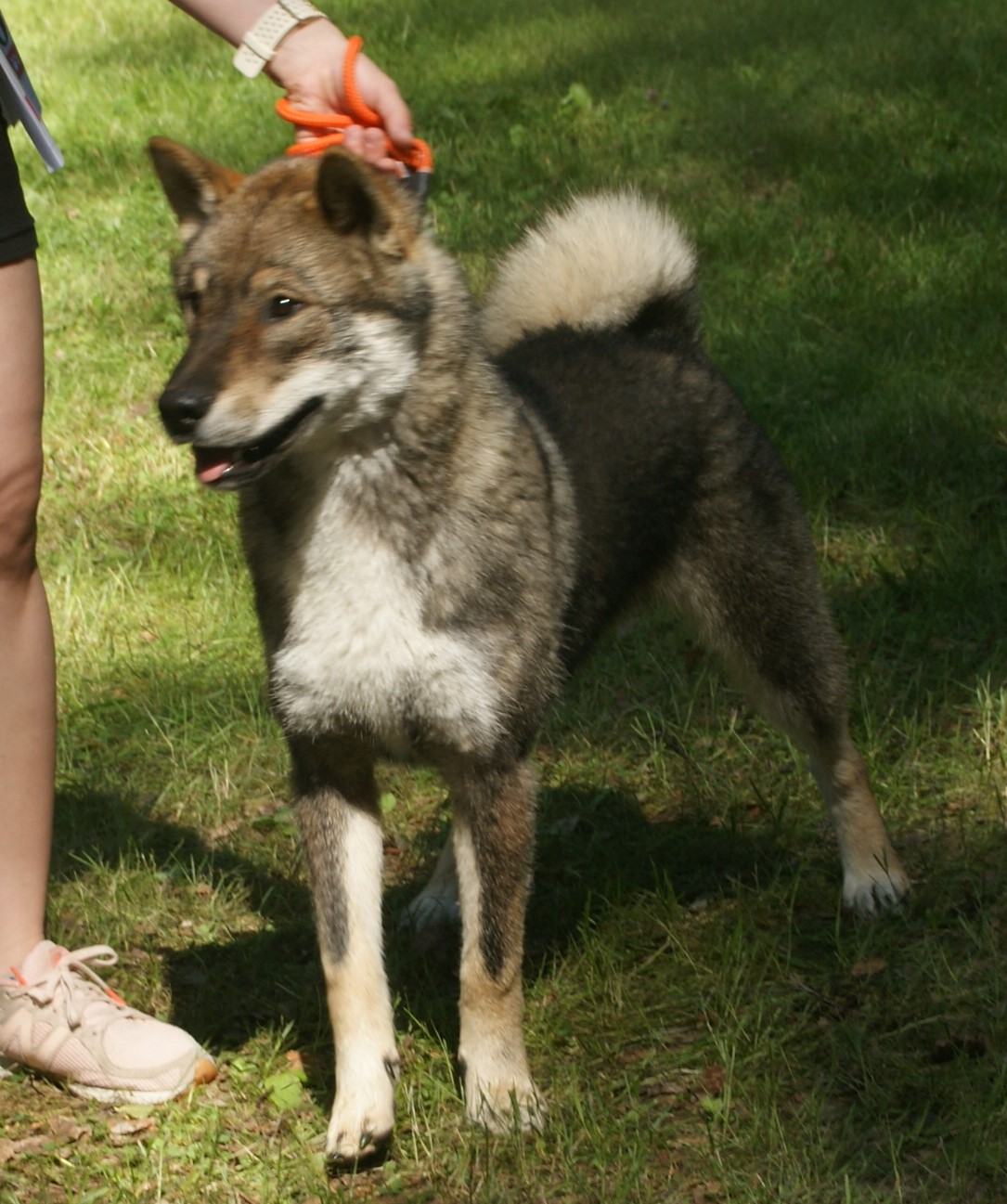
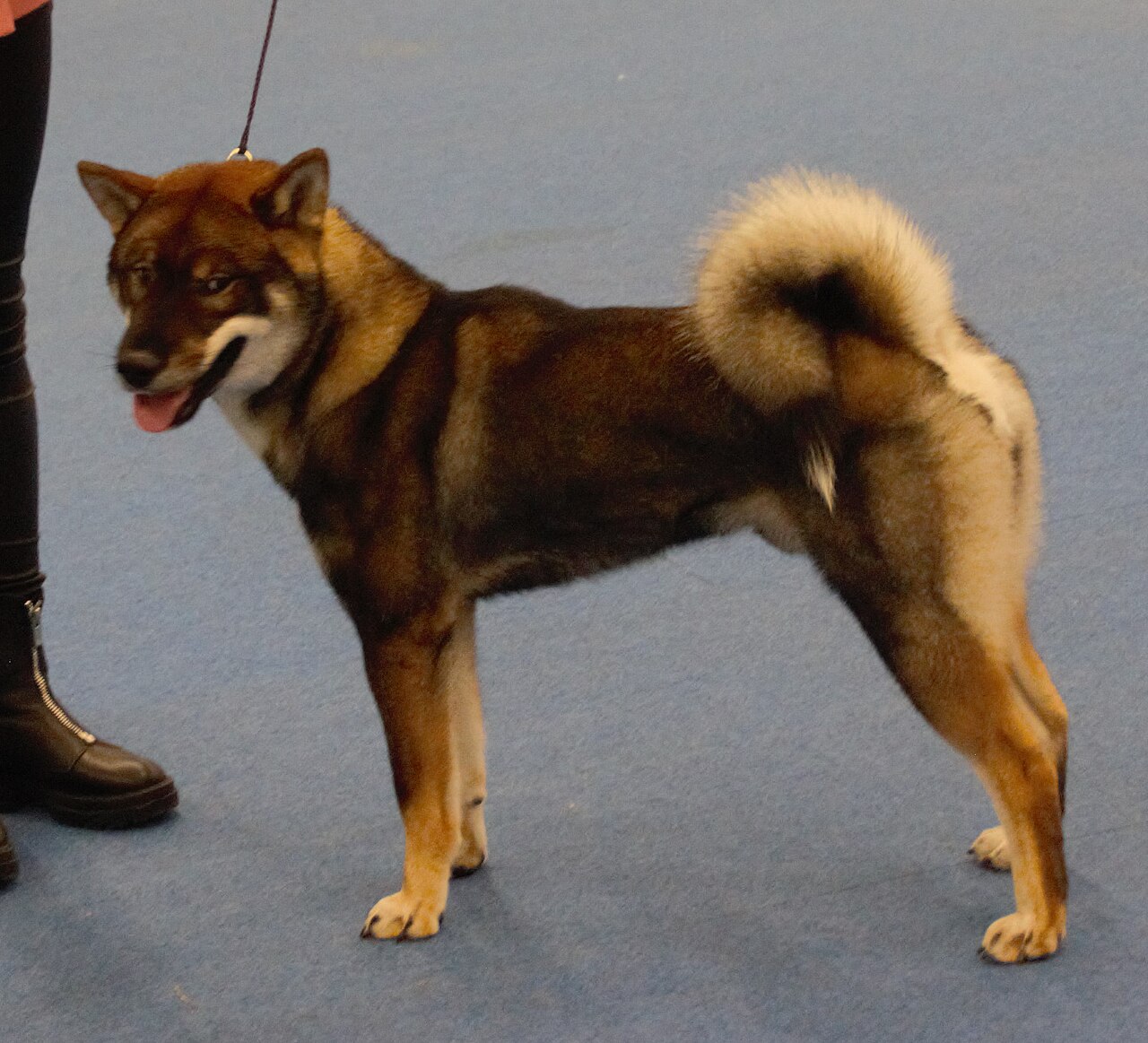
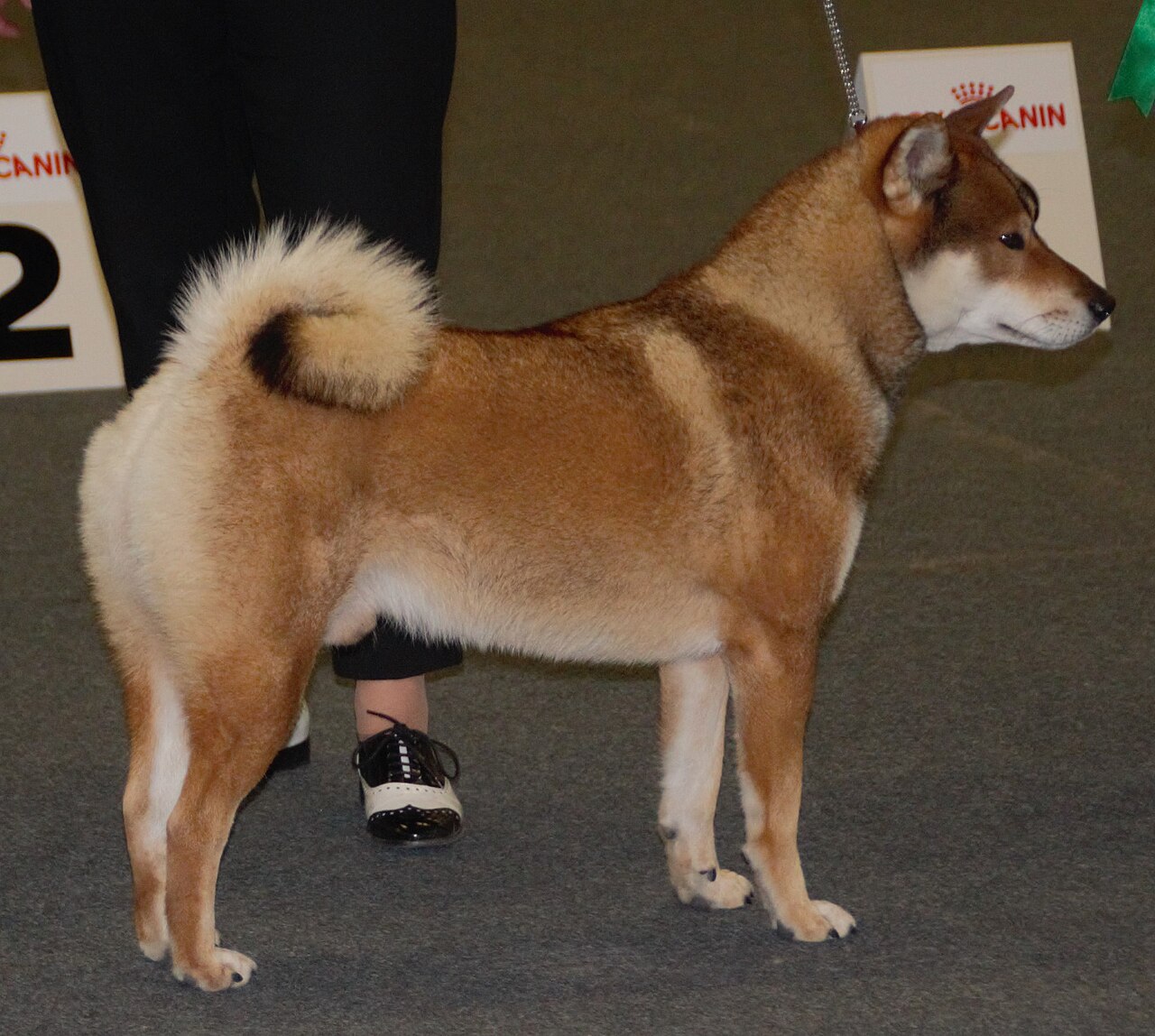
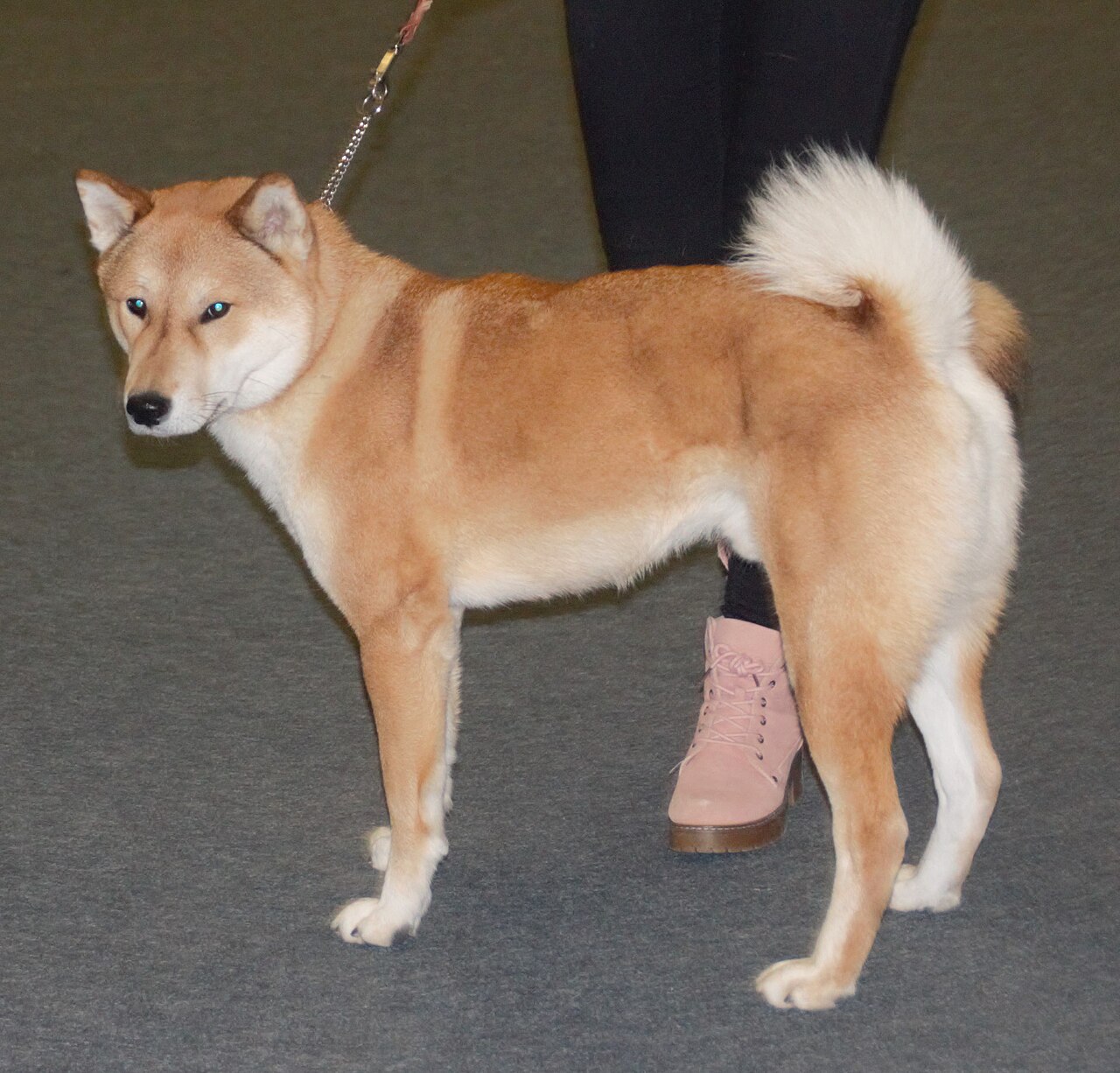
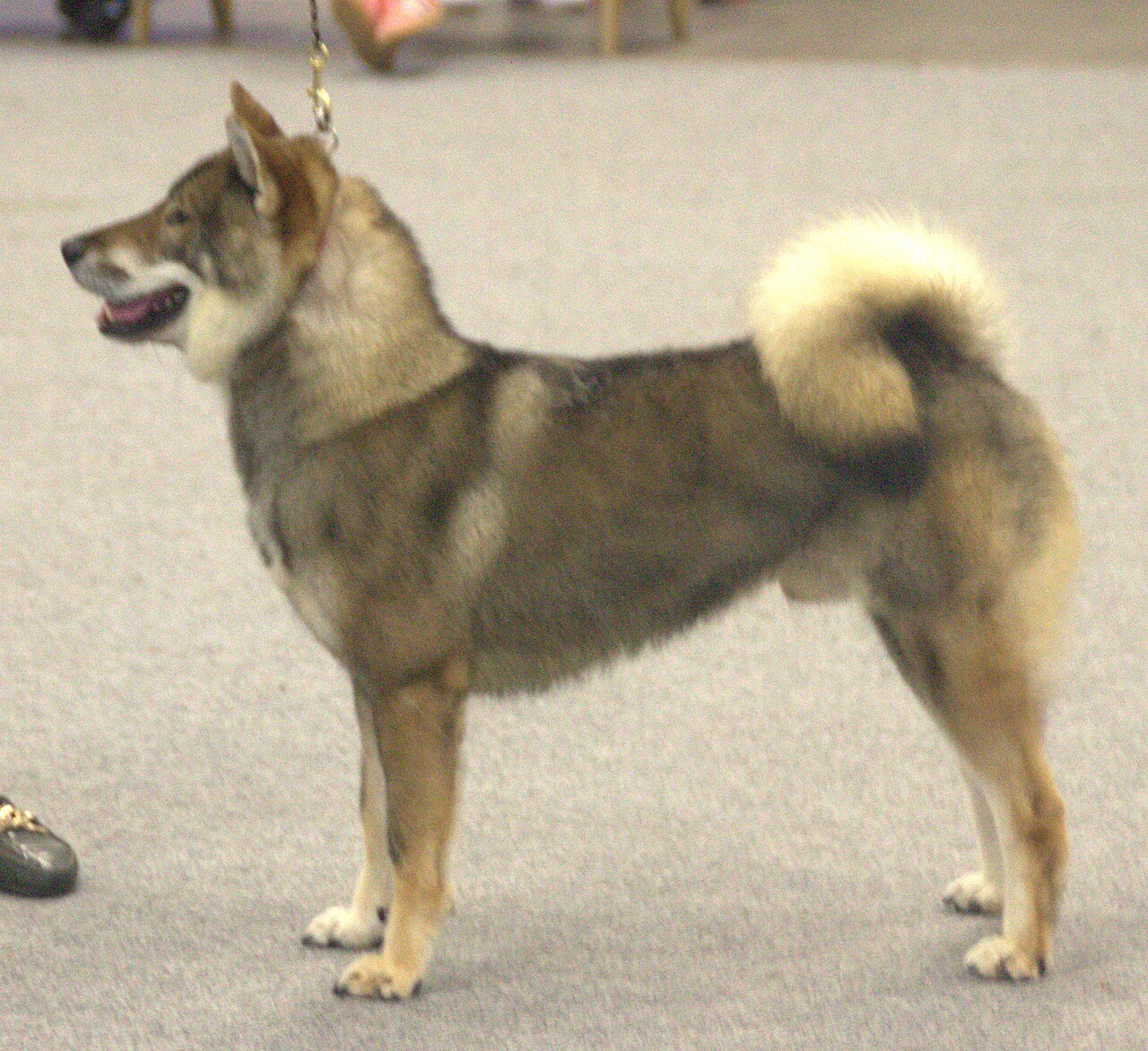
A medium-sized, compact, well-muscled spitz, slightly longer than tall (10 : 11), with small pricked triangular ears, a wedge-shaped muzzle, slightly upturned triangular eyes and a thick tail carried curled or sickle-shaped over the back. The double coat has a harsh, straight outer coat over a soft, dense undercoat. The signature color is sesame, an even mix of black, red and white hairs; red sesame and black sesame are seen too, and the FCI standard also lists red and black and tan. Pinto is a fault.
| Males | Females | |
|---|---|---|
| Height | 19.5-21.5 in (FCI 52 cm ± 3 cm) | 18-20.5 in (FCI 49 cm ± 3 cm) |
| Weight | 35-55 lbs | 35-55 lbs |
| Lifespan | 10-12 years | 10-12 years |
| Coat | Harsh double coat | Same |
Heights are from the FCI standard; the parent club's draft AKC standard asks for about 20.5 in in males and 19 in in females. Weight and lifespan are the AKC's figures; neither standard gives a weight.
Exercise and daily life
The parent club calls the Shikoku medium-energy and athletic, with good stamina for hiking and long walks and an "excellent off switch" on quiet days. Plan on an hour or more a day: brisk walks, hikes, scent work, lure coursing, a jog once it is fully grown. A Shikoku with nothing to do invents a hobby, often digging or escaping.
Off-leash time needs a fenced area. With this prey drive, a reliable recall in open country is the exception, not the rule. An apartment can work for an adult dog that gets real exercise, but a house with a secure fence is easier.
Training
The Shikoku learns quickly and bonds tightly, but it is an independent hunter, not a retriever. What works: short sessions, food and play rewards, calm consistency and a lot of socialization in the first year. The parent club warns that harsh corrections make this sensitive dog shut down.
Typical difficulties:
- Recall around wildlife. Use a long line until the recall is truly reliable, and accept that it may never be in open country.
- Leash reactivity toward other dogs, especially in adolescence. Keep distance, reward calm looking, and avoid crowded dog parks.
- Same-sex conflicts once the dog matures. Choose a second dog of the opposite sex.
- Wariness of strangers. Many calm visitors and places before 16 weeks, and keep at it through adolescence.
Grooming
Easy most of the year. The harsh coat repels dirt; brush once a week and bathe rarely. Twice a year, usually spring and fall, the undercoat comes out in clumps for a few weeks, and daily brushing with an undercoat rake keeps the house livable. Do not shave or trim it: the parent club shows the coat natural. Trim nails regularly.
Health
The Shikoku is generally sturdy, but the gene pool outside Japan is small. The American Shikoku Ken Club lists these issues:
- Panosteitis. Growing pains in puppies, usually outgrown.
- Hip dysplasia. Rarely serious in companion dogs given the breed's size and build, but breeding dogs should be screened by PennHIP or OFA.
- Allergies and a sensitive stomach. Some dogs are fussy eaters.
- Epilepsy. Seen in certain lines, usually starting in young adulthood. There is no screening test, so ask about seizures in the pedigree.
- Immune-mediated polyarthritis (IMPA). A likely inherited autoimmune joint disease that can be fatal untreated.
- Lysosomal storage disease (gangliosidosis). Always fatal, symptoms usually from about 6 months. It appears to be simple recessive, but there is no DNA test yet.
Ask for the hip results (PennHIP or OFA) of both parents and check them in the OFA database. Ask openly about epilepsy, IMPA and storage disease in related dogs; an honest breeder will talk about it.
Cost
There are only a handful of breeders in North America, so expect a waiting list or an import. Price guides put a puppy at roughly $2,200 to $5,000, so a realistic budget is $2,500 to $4,500; an import from Japan or Europe adds travel costs on top. Start with the American Shikoku Ken Club's breeder list. Be wary of cheap "Shikoku" or "Shikoku mix" puppies without NIPPO, FCI or UKC papers.
Running costs are moderate: roughly $1,000 to $1,800 a year for food, routine vet care, preventives and insurance. Grooming costs little. Budget for training classes and a fence that really holds.
Who it suits and who it does not
Good match for:
- Experienced owners who know a primitive, independent breed
- Hikers and outdoor people who want a tough, medium-sized companion
- Single-dog homes with a high, secure fence
- People who like a natural, low-fuss coat apart from shedding season
Not a match for:
- First-time owners or anyone who wants an easy, biddable dog
- Homes with cats, rabbits or other small pets
- Owners who dream of off-leash walks or busy dog parks
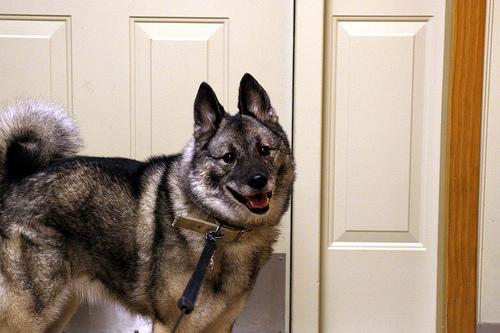
- People who want a dog that loves every dog and stranger. If you like the Japanese look, the Shiba Inu is smaller and the Akita much bigger; for a friendlier hunting spitz, consider the Finnish Spitz or the Norwegian Elkhound