Origin and history
The Pyrenean Mastiff, or Mastín del Pirineo, is a livestock guardian from Aragon and Navarre on the Spanish side of the Pyrenees. The FCI standard puts it plainly: it was used "for defense against beasts of prey, in particular against wolf and bear". The AKC's breed history, based on Rafael Malo Alcrudo's 1982 book on the breed, describes the old transhumance: flocks of around 1,000 sheep, one shepherd and five mastiffs crossing the mountains between summer and winter pastures. The dogs got the same food ration as the shepherds and wore a carlanca, a spiked collar that protected the throat in fights with wolves.
With the wolves and bears gone, sheep moving by rail and the hunger years of the Spanish Civil War and World War II, the breed nearly vanished in the 1930s and 1940s. When wolves returned to Aragon in the 1970s, a small group of enthusiasts searched the valleys, found about 100 dogs of the old type and built today's breed on the best 30. The FCI accepted the breed definitively on November 15, 1954; the current standard is FCI No. 92 (Group 2, Molossoid breeds, mountain type, no working trial), published in Spain in 1982.
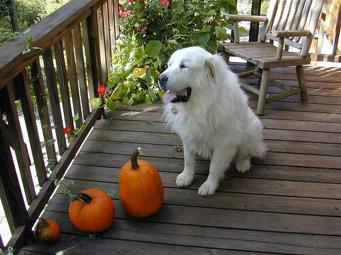
Do not confuse it with the Great Pyrenees. According to the AKC, both come from the same old Pyrenean guardians, but after the mountains were split between France and Spain in 1659, the French side bred a more refined, mostly white dog. The Pyrenean Mastiff stayed heavier and more mastiff-like: bigger head, looser skin, a double dewlap and the clearly defined mask that the standard requires. Its smooth-coated relative from the Castilian plains is the Spanish Mastiff.
In the US the breed has been recorded in the AKC Foundation Stock Service since April 2014. The parent club is the Pyrenean Mastiff Association of America (PMAA), and since June 26, 2024 the breed can compete in the AKC Miscellaneous Class, the last step before full recognition. The AKC's breed history puts the worldwide population at only 4,000 to 6,000 dogs.
Temperament and character
The FCI standard calls it "friendly towards humans, calm, noble and very intelligent, at the same time courageous and proud towards strangers from whom he never backs away." The AKC adds that it "only feel[s] the need to protect when there is a real threat." In daily life:
- With its family it is gentle and affectionate. The AKC describes a dog that loves children and welcomes friends and family.
- With strangers it is confident rather than nervous. It announces visitors with a deep bark from the chest and stands its ground.
- With other dogs it is usually good natured and "aware of his superior strength", but the standard also notes that it can fight "with great skill", an inheritance from centuries of fighting wolves.
- Prey drive is low. It was bred to protect livestock, not to chase it, so it often gets along with other pets it grows up with.
It is a calm, slow-moving dog most of the day and becomes most alert at dusk and at night, when a flock guardian would expect predators. Expect barking at night if it hears something outside.
Size and appearance
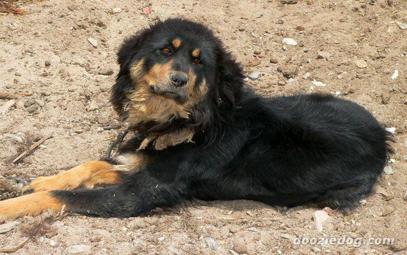
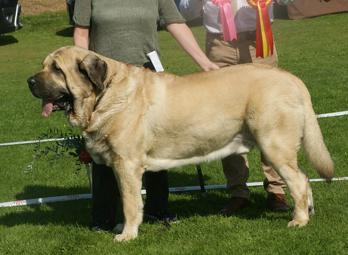
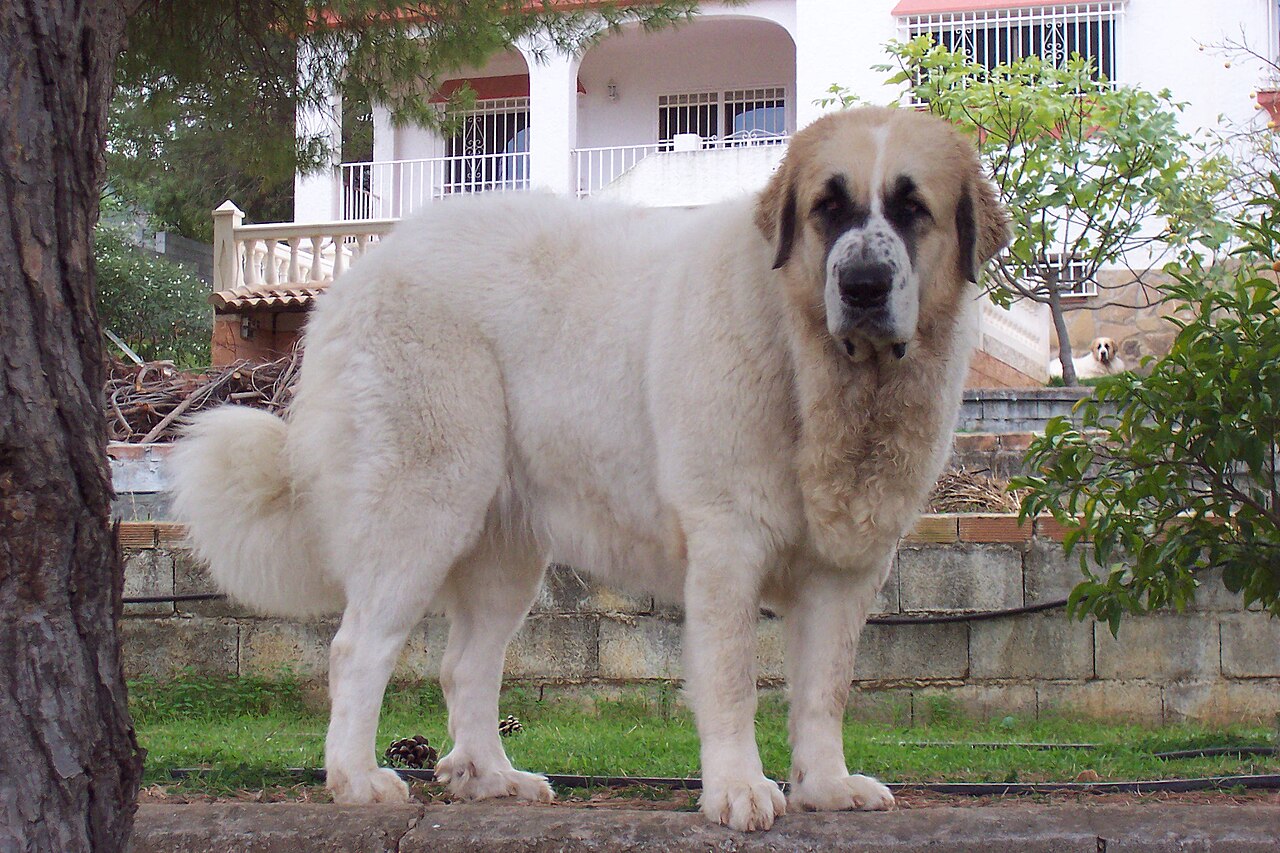
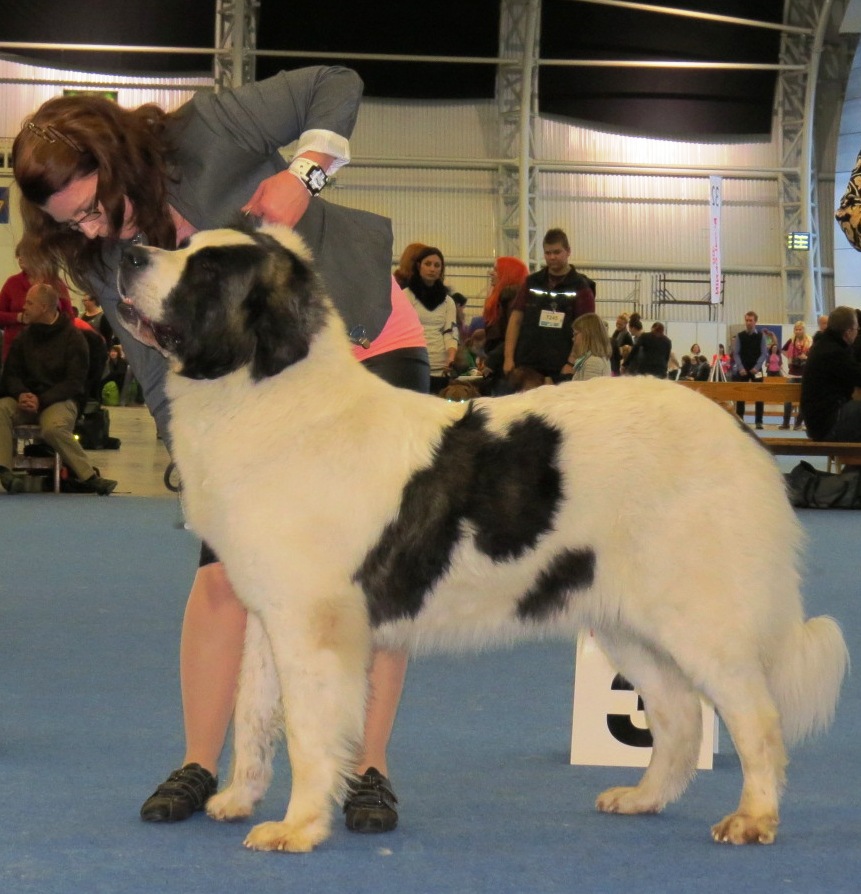
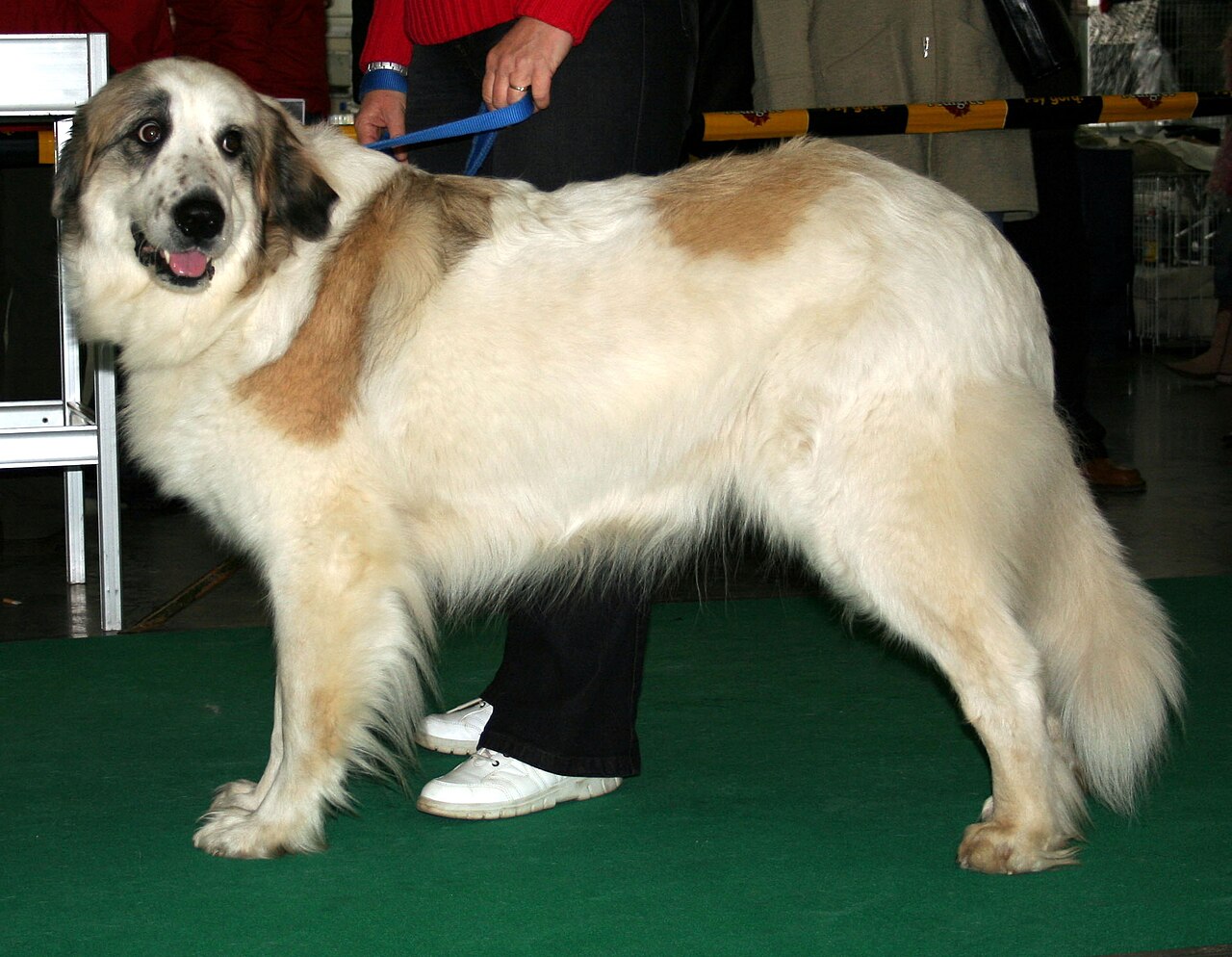
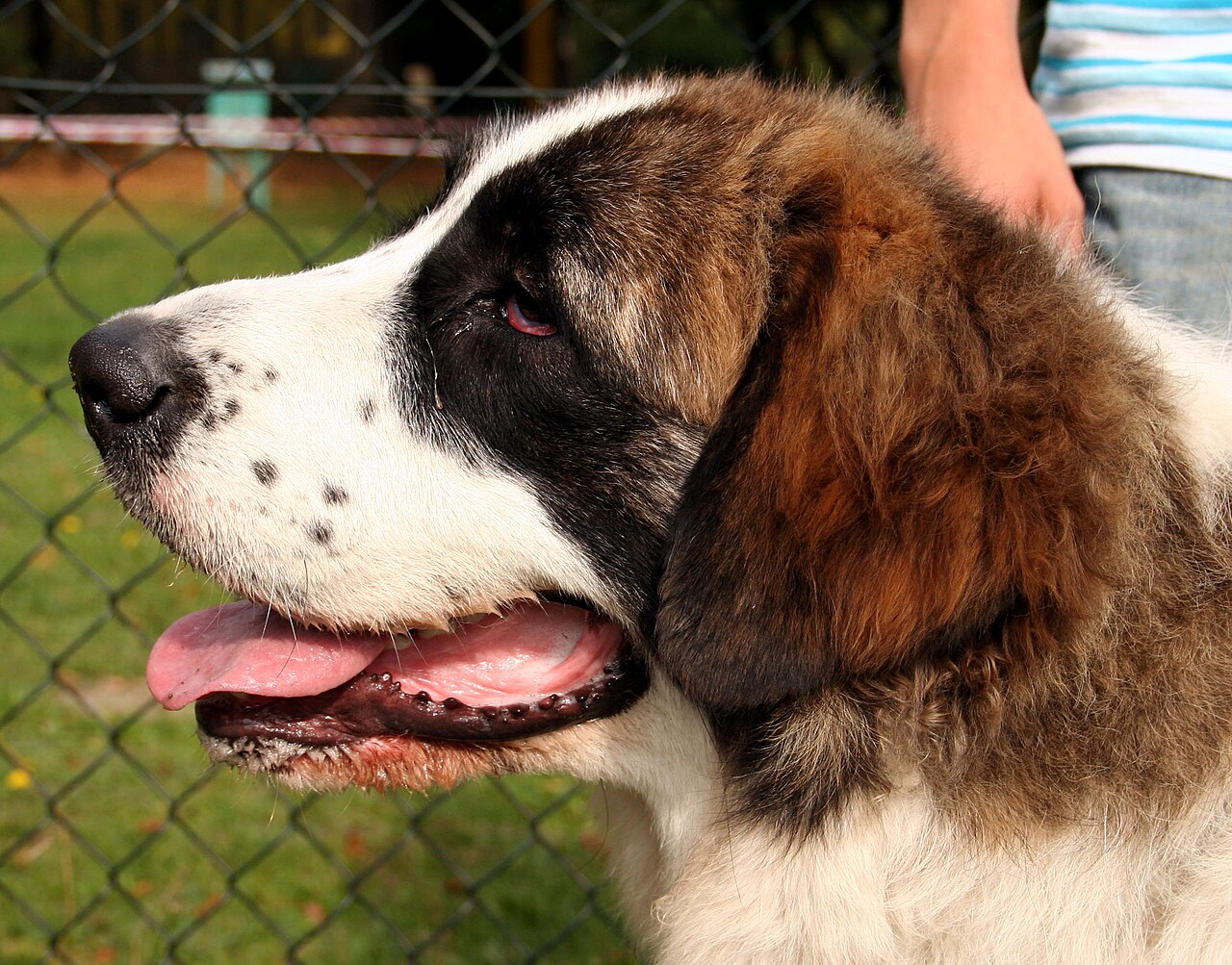
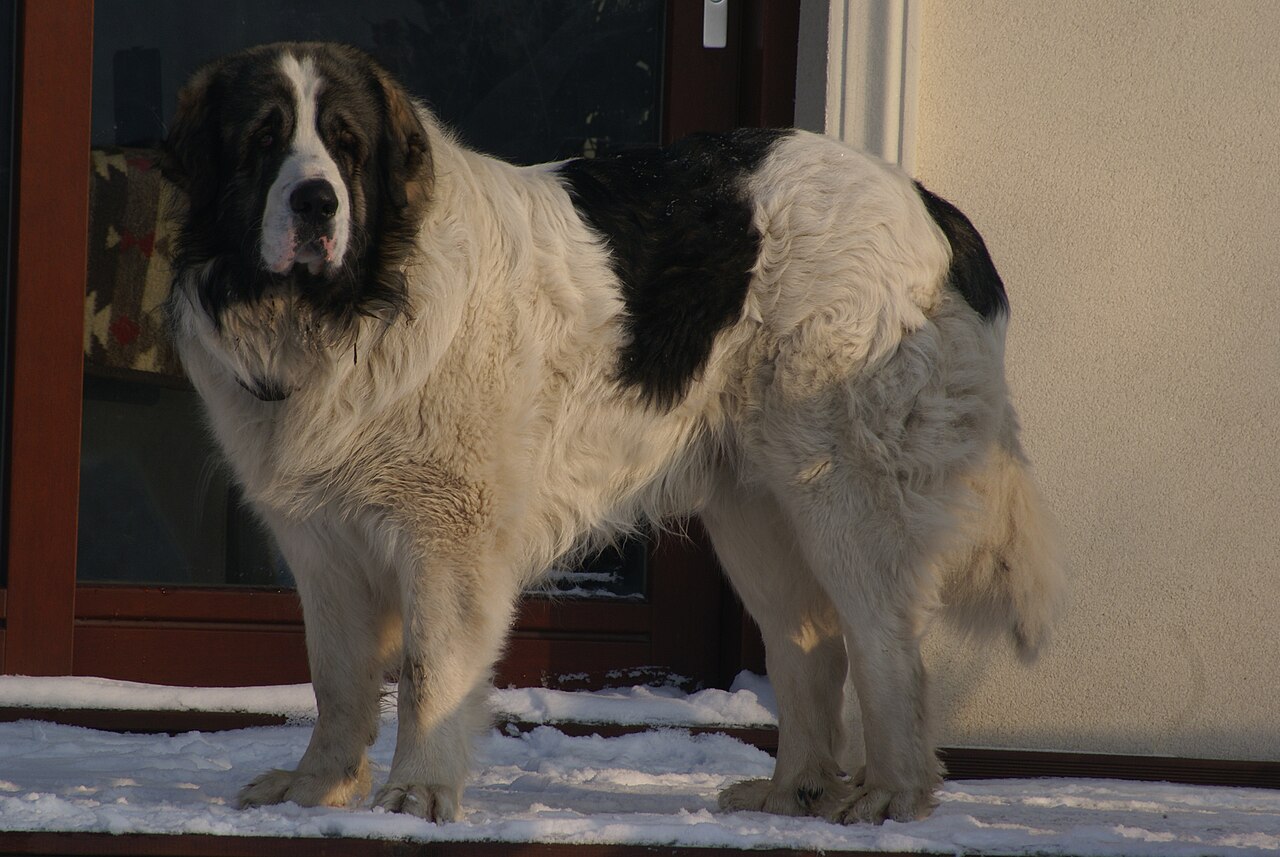
A very large, powerful dog, slightly longer than tall, with a broad head, small almond eyes and a distinct double dewlap. The coat is dense, thick and bristly, ideally 2.5 to 3.5 inches (6 to 9 cm) on the back, longer on the neck, legs and the plumed tail. The base color is white, always with a clearly defined mask; patches can be gray, golden yellow, brown, black, silver, beige, sandy or marbled.
| Males | Females | |
|---|---|---|
| Height (AKC) | 30-31 in | 28-30 in |
| Minimum height (FCI) | 77 cm (30.3 in) | 72 cm (28.3 in) |
| Weight (AKC) | 120-190 lbs | 120-190 lbs |
| Lifespan | 10-12 years | 10-12 years |
| Coat | medium-long, double | medium-long, double |
The FCI standard sets no upper height limit and says that, at equal quality, "the bigger dog is always preferred"; it wants males above 81 cm (about 32 in) and females above 75 cm (about 29.5 in). It also notes that a slightly loose lower eyelid at rest is typical of the breed.
Exercise and daily life
The AKC describes it as "a breed who conserves energy until it is needed." Several walks a day, time in a securely fenced yard and the occasional hike are enough. During growth, keep structured exercise short and age-appropriate, preferably on soft ground, because long walks and jumping can damage open growth plates in a giant puppy.
This is a dog for a house with land. Plan for a tall, solid fence, nightly barking, drool on the dewlap and lots of hair. Heat and humidity are harder for it than cold: a thick double coat that stays damp can develop hot spots quickly.
Training
The AKC describes the breed as similar to most livestock guardians: an independent thinker that "must be motivated to work". What works:
- Positive reinforcement from the first day. A bond built early makes an adult that is surprisingly willing.
- Firm, consistent house rules. The AKC notes that these dogs "try to manipulate their owners".
- Leash manners and handling while the puppy is still small enough to manage.
- Broad socialization with visitors, vets, traffic and other dogs, continued through adolescence.
Do not expect quick, repeatable obedience. Off-leash reliability is limited, and protection training is neither needed nor advisable.
Grooming
Brush weekly, with extra attention to the feathering behind the front legs, under the belly and on the rear, where the coat mats. Twice a year the dog blows its undercoat over a couple of weeks; daily brushing then saves your floors. Bathe only when needed and always dry it to the skin. Trim the nails and the front and rear dewclaws, clean the dewlap of drool and dirt, and check the drop ears regularly.
Health
The PMAA calls the breed "generally healthy" with a life expectancy of 10 to 12 years. Its 2024 health statement recommends for all breeding dogs:
- OFA hip and elbow X-rays at 2 years or older
- An OFA cardiac exam at 2 years or older
- A DNA test for degenerative myelopathy (DM)
Dogs with all four results get a CHIC number. Spine X-rays and an eye exam are optional. The club also lists Addison's disease, autoimmune conditions, epilepsy, bone cancer (osteosarcoma), bloat (gastric dilatation-volvulus), hock instability and idiopathic trembling of the rear legs.
Ask for the CHIC number or the four results of both parents. Feed two or three meals a day, avoid hard exercise around meals and learn the signs of bloat. The AKC advises keeping females on puppy food until 18 months and males until 2 years, and keeping the dog lean.
Cost
A puppy from health-tested parents typically costs $2,000 to $4,000. Few US breeders exist, so expect a waiting list or import costs on top.
Running costs for food, vet care, preventives and supplies come to roughly $2,000 to $3,500 a year. A dog that eats this much and is medicated by weight is expensive when something goes wrong; bloat surgery or a cruciate repair can cost several thousand dollars, so price pet insurance before you buy.
Who it suits and who it does not
Good fit:
- Rural homes, farms and small acreages with a secure fence
- Experienced owners of large guardian breeds who want a calm family protector
- Families with children who accept hair, drool and night barking
Not a good fit:
- Apartments, townhouses or homes without a yard
- First-time owners or anyone who wants a quick, obedient dog
- Hot, humid climates without shade and air conditioning
- Anyone who wants a gentler, more common giant: the Newfoundland or the Leonberger; a lighter white flock guardian is the Great Pyrenees