Origin and history
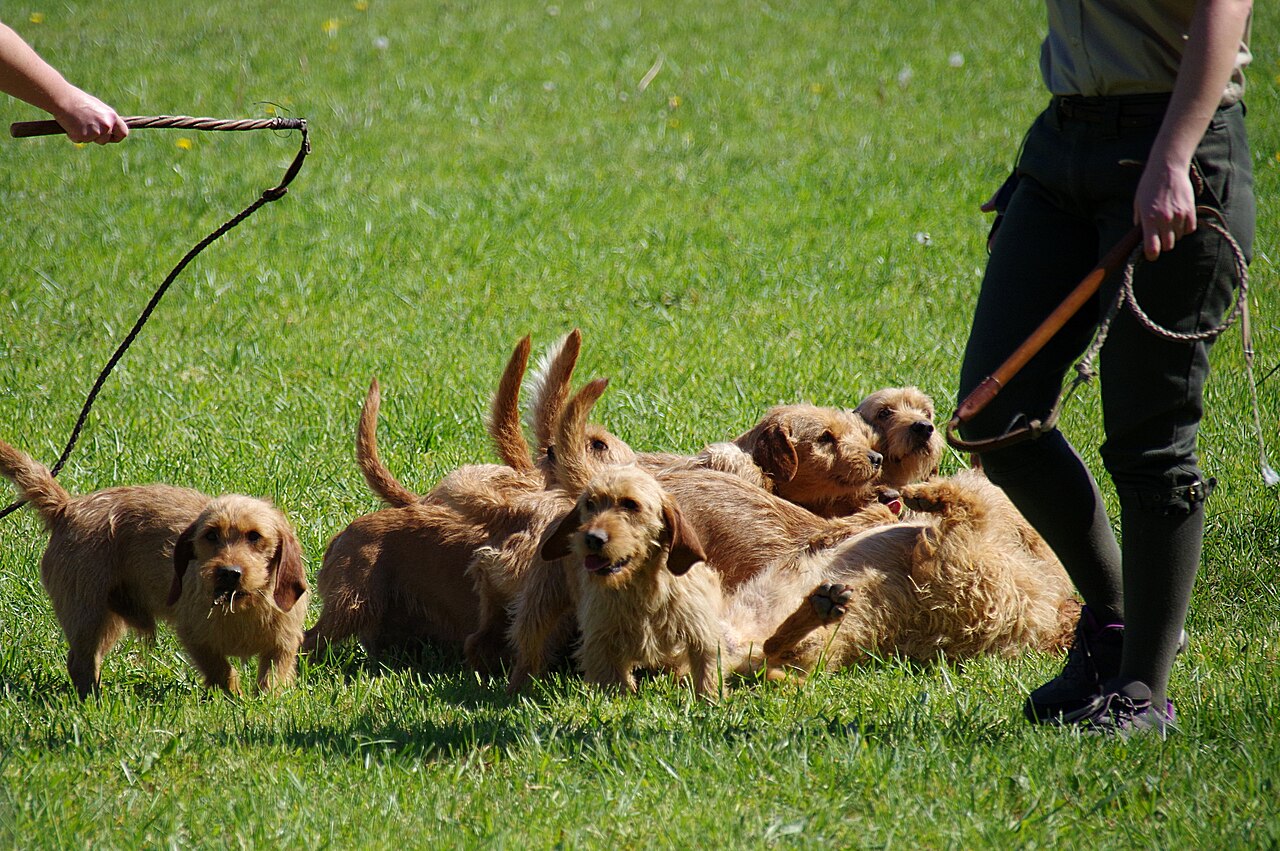
The Basset Fauve de Bretagne (say "bah-SAY fohv duh bruh-TAN-yuh"), also called the Fawn Brittany Basset, is a small, rough-coated scent hound from Brittany in northwestern France. It descends from the Griffon Fauve de Bretagne and, further back, from the big fawn hounds of Brittany: the AKC history notes that the Grand Fauve de Bretagne was brought to the French court around 1520 and was later lost. Short-legged bassets suited hunters on foot, and in the 19th century small packs of Fauves hunted rabbit, hare, fox, roe deer and wild boar.
After World War II the breed was rare. In 1949 Marcel Pambrun founded the French breed club, the Club du Fauve de Bretagne, whose motto is still "chasse d'abord" (hunting first). How much outside blood was used in the rebuild is disputed: some histories mention crosses with wirehaired Dachshunds or the Petit Basset Griffon Vendéen, while the French club says numbers were never that low. The FCI standard says the Fauve has won the French Cup on rabbit several times and gained a national reputation in the last 30 years of the 20th century. It is FCI standard No. 36, Group 6, Section 1.3 (small-sized hounds), with working trial.
In the US the story is short. The Basset Fauve de Bretagne Club of America was formed in 2013, the breed entered the AKC Foundation Stock Service in February 2015 and the Miscellaneous Class in June 2023. On December 30, 2025 the AKC announced full recognition, effective January 1, 2026, and the Fauve now competes in the Hound Group. It is still rare here; in France, by contrast, about 800 Fauves were entered in the national studbook (LOF) in 2024.
Temperament and character
The AKC standard asks for "a lively, active, outgoing, sociable temperament" and calls the Fauve "mild, never sharp or timid": an impassioned hunter at work and an affectionate, easygoing family companion at home. When hunting it is "courageous, wily and tenacious". In daily life:
- It is a hound first. The nose decides. Once it is on a scent, your voice comes second, so the recall needs real work and most Fauves stay on leash in open country.
- It is cheerful and friendly. With people, children and other dogs it is usually open and gentle. A Dutch owner survey found that 80% of owners describe their Fauve as friendly, cheerful, calm and affectionate.
- It has a voice. Hounds give tongue on a track, and a bored Fauve can bay or bark at home.
- It needs company. Fauves were bred to work in small packs. Long days alone often end in noise or chewing.
It generally gets along with other dogs, and the AKC breed history quotes an owner whose Fauves lived with pet rabbits. Still, introduce small pets carefully and never leave them unsupervised with a hunting hound.
Size and appearance
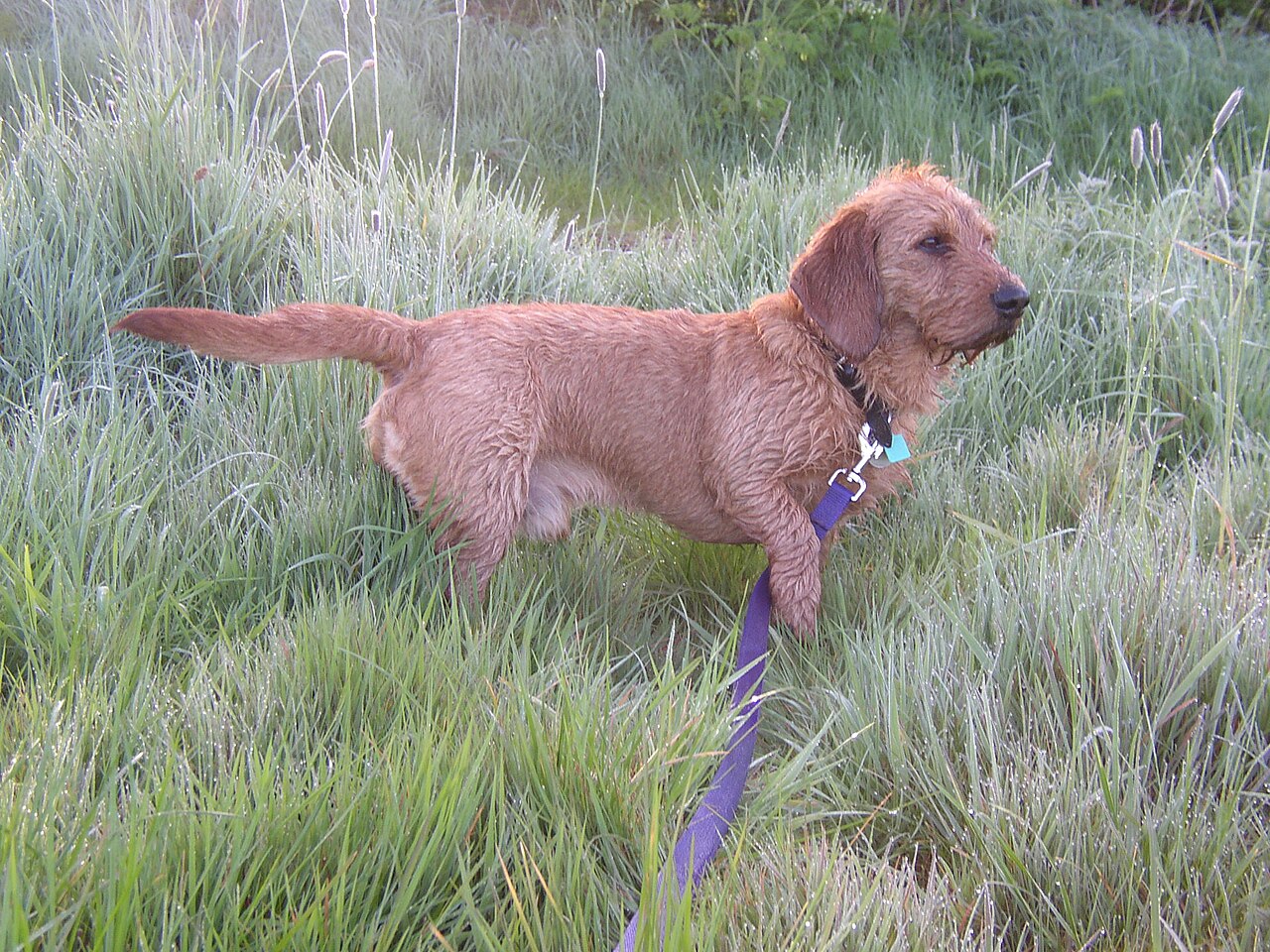
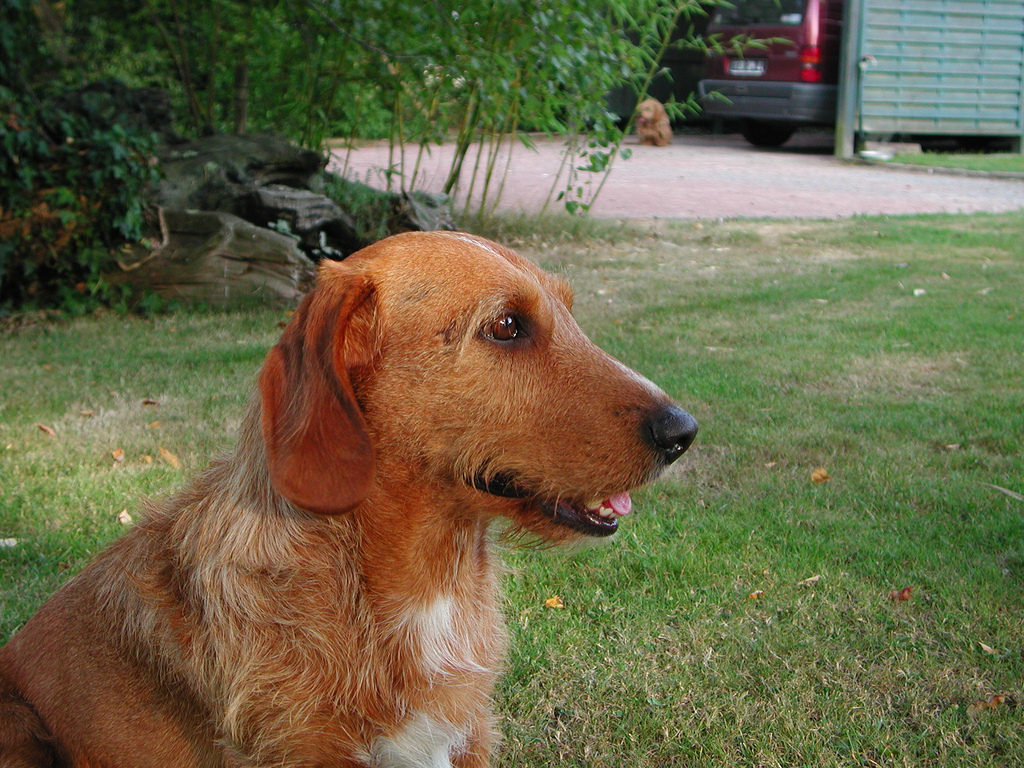
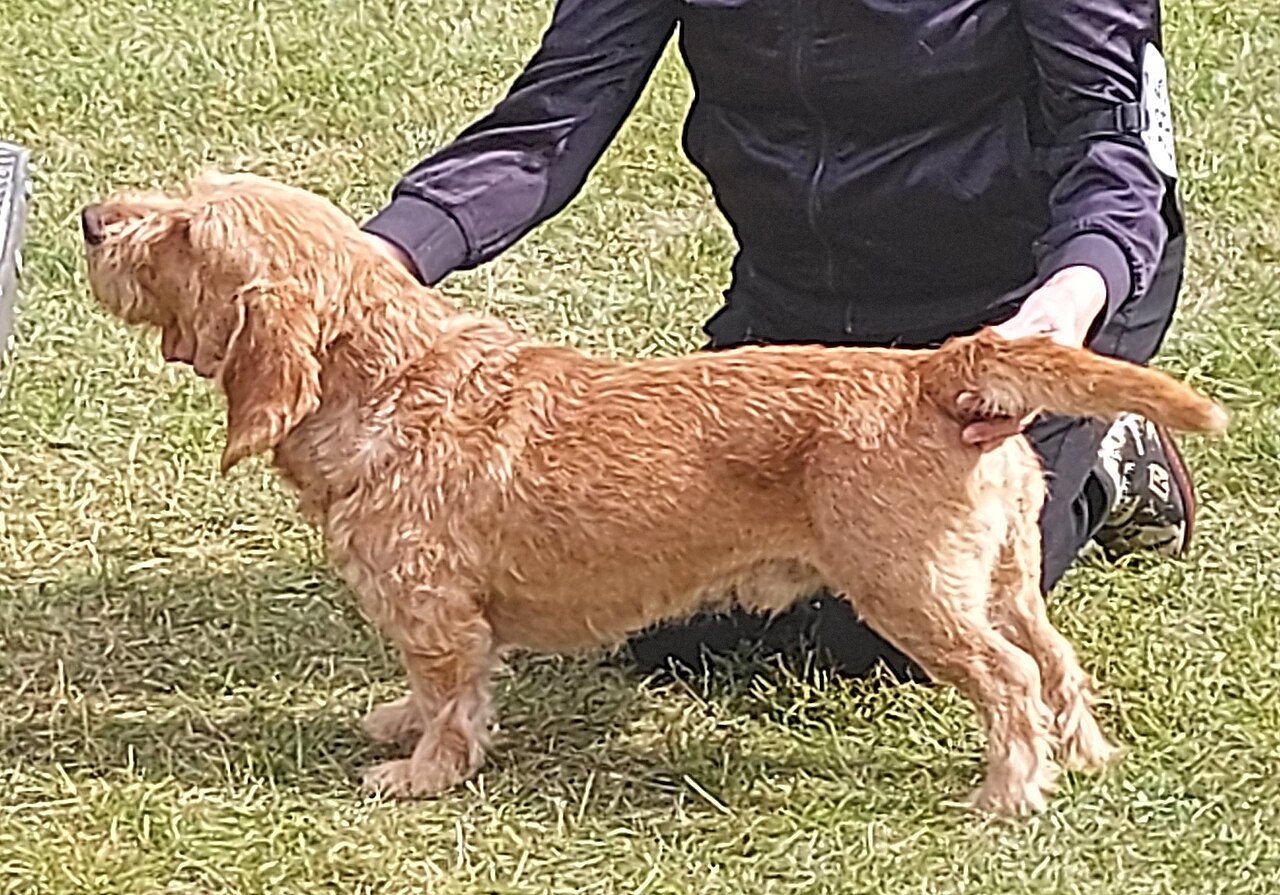
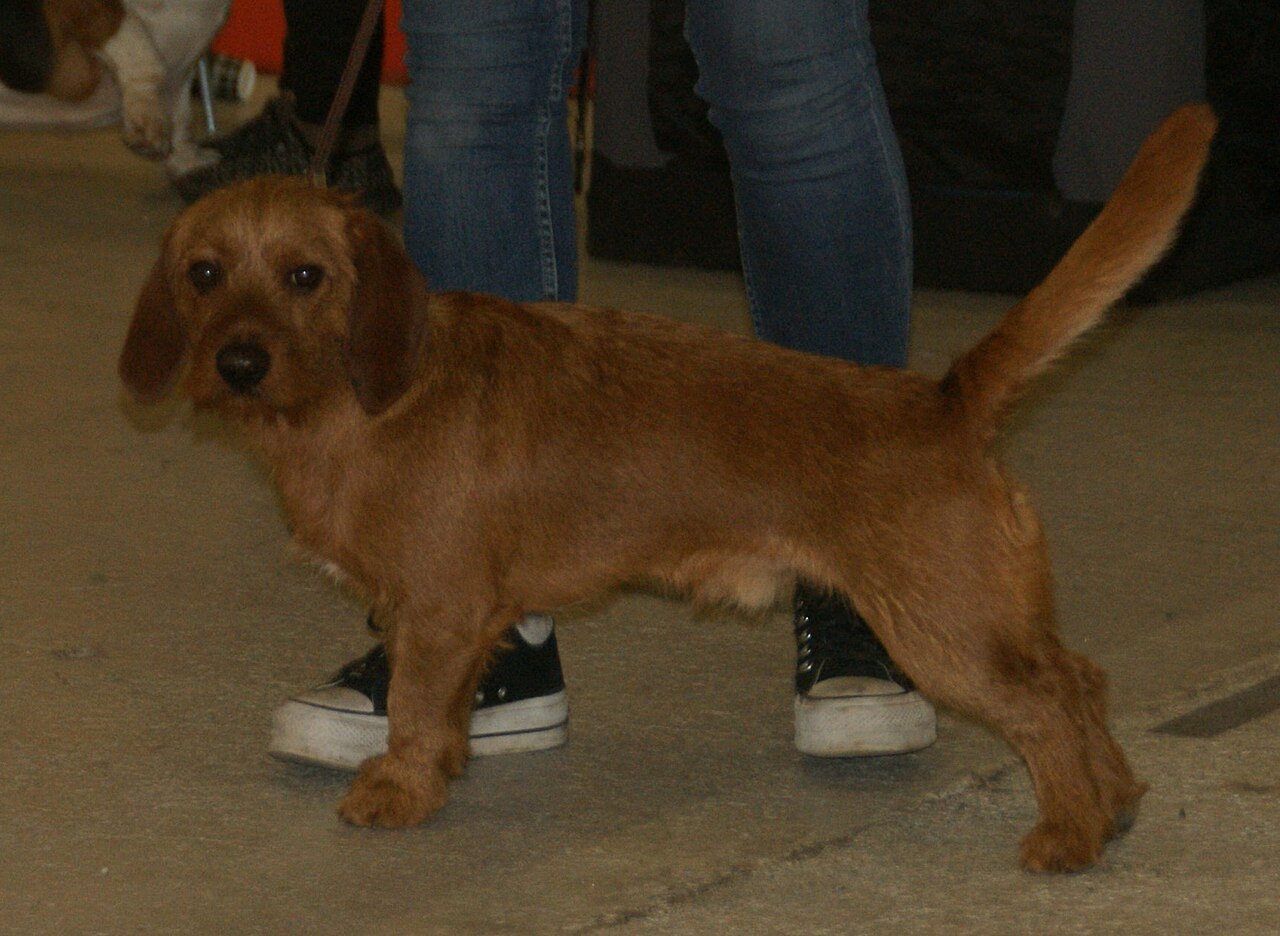
A small, stocky, low-to-the-ground hound, lively and quick for its size, with a back that the standards call short for a basset. The coat is very rough, harsh and rather short, never woolly or curly; the AKC tolerates a smooth harsh coat. The face carries a moderate beard and eyebrows. The color is always solid fawn, from golden wheaten to red brick; a few black hairs on the back and ears and a small white star on the chest are tolerated. Ears are set at eye level, end in a point and are covered with finer, shorter hair.
| Males | Females | |
|---|---|---|
| Height | 12.5-15.5 in (FCI 32-38 cm) | 12.5-15.5 in (FCI 32-38 cm) |
| Weight | 27-35 lbs | 27-35 lbs |
| Lifespan | 12-14 years | 12-14 years |
| Coat | Wiry, harsh, rather short | Same |
Height is from the AKC standard, which disqualifies dogs under 12 or over 16 inches. Neither standard sets a weight; 27-35 lbs is a typical range.
Exercise and daily life
Plan on at least an hour of activity a day, and give the nose some of it: long walks on varied ground, a long line in the woods, tracking, scent work, barn hunt, FastCAT. A Fauve without enough to do for body and nose tends to find its own projects.
A house with a securely fenced yard is easiest; this is a digger and an explorer. Apartment life can work if the dog gets out properly every day and your neighbors tolerate an occasional hound voice. Check local leash laws and hunting-season rules before you let it loose on public land.
Training
The Fauve is bright and willing but independent, as scent hounds are. Short, upbeat sessions with food rewards work best; harsh handling makes it switch off. Start socialization, crate training and handling early.
Typical difficulties:
- Recall. Train it for months on a long line and expect the nose to win now and then.
- Baying and barking. Teach a quiet cue and do not reward the noise.
- Counter surfing and stealing. It is a hound; put food away.
- Being left alone. Build alone time slowly from puppyhood.
Grooming
Easy but specific. Brush once a week with a slicker or hound glove and check ears and feet after walks. The harsh coat is meant to be hand-stripped, not clipped: the Dutch breed club advises plucking about twice a year, and the AKC standard wants a natural coat, never sculpted. Clipping softens the texture and the color. Bathe only when needed. Keep the ears clean and dry, and trim nails regularly. Shedding is light to moderate.
Health
The Fauve is a generally hardy breed. The AKC lists three tests recommended by the national breed club: a patella evaluation, a cardiac exam and an eye exam by a veterinary ophthalmologist. What to know:
- Primary open angle glaucoma (POAG). A 2015 study found a breed-specific mutation in the ADAMTS17 gene; it is recessive, and a DNA test is available. Ask whether both parents were tested. Two carriers should not be bred together.
- Luxating patella (slipping kneecap), checked by a vet.
- Allergies, skin and ear problems. The most common issues in a 2020 Dutch survey of 337 Fauves: about 1 in 6 or 7 dogs had atopy or allergies, and 10% had ear problems.
- Epilepsy (3.2% in the same survey). There is no screening test; ask the breeder openly about seizures in the line.
Ask for the parents' OFA patella, cardiac and eye results and the POAG DNA result.
Cost
Litters in the US are few, so expect a waiting list or an import. Breeder listings and price guides put a puppy at roughly $1,500 to $3,500, depending on breeder and lines. Start with the breeder list of the Basset Fauve de Bretagne Club of America.
Running costs are moderate for a dog this size: roughly $900 to $1,500 a year for food, routine vet care, preventives and insurance. Hand-stripping by a groomer twice a year adds a little; doing it yourself costs only time.
Who it suits and who it does not
Good match for:
- Active families who walk a lot and want a cheerful, sturdy small hound
- Hikers and people who would enjoy tracking or scent work
- Homes with a secure yard and someone around for much of the day
- Hunters who want a small hound for rabbit and hare
Not a match for:
- Owners who want reliable off-leash walks
- Homes where the dog would be alone all day
- People who need a quiet dog for thin walls or close neighbors
For the classic low-slung hound with a calmer pace, look at the Basset Hound; for a smooth-coated pack hound that is easier to find, the Beagle; for a wiry small dog with a better recall, the Border Terrier.