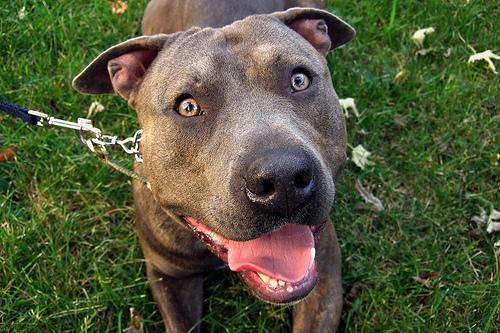
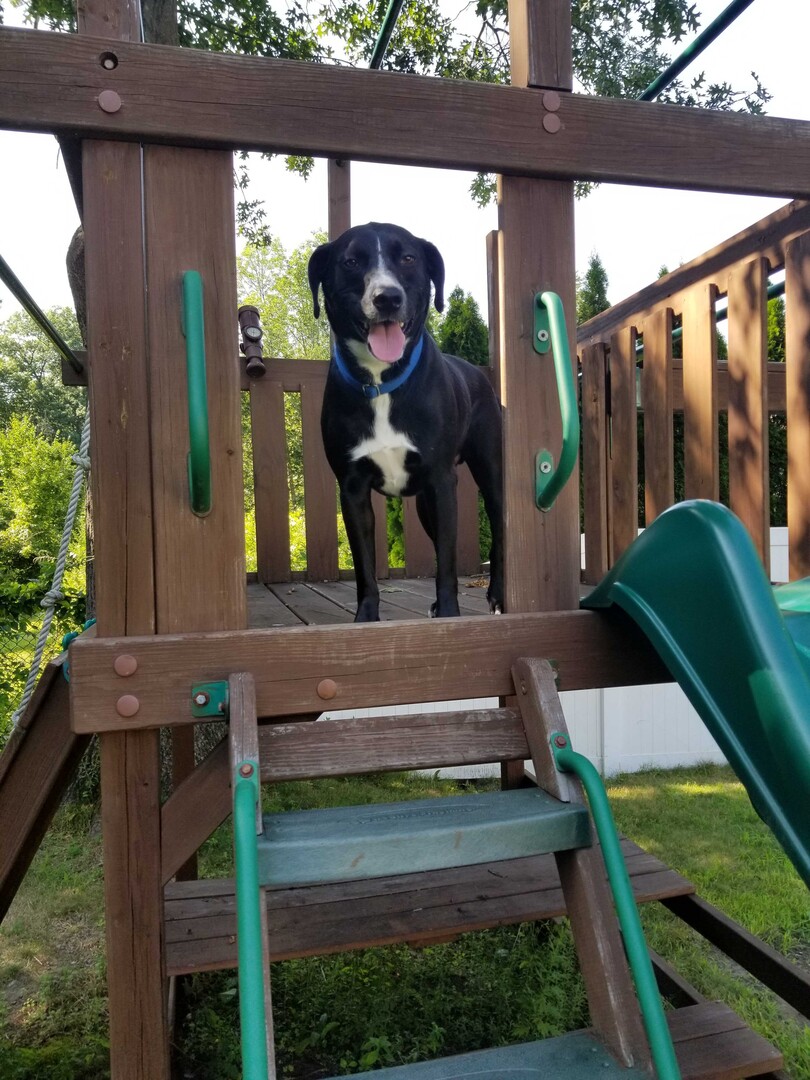
Our ratings are identical for these two. The AmStaff is the show line registered by the AKC and the FCI, the APBT the more varied working and sport line registered by the UKC, and "pit bull" is also a generic label for a type. Both descend from the bull-and-terrier dogs of 19th-century England, which were taken to America. In 1898 the United Kennel Club (UKC) gave its registration number 1 to an American Pit Bull Terrier (APBT). In 1936 the American Kennel Club (AKC) registered some of these same dogs under the name Staffordshire Terrier, after breeders pledged not to fight them; in 1972 it renamed the breed American Staffordshire Terrier. The AKC still does not recognize the APBT, and the FCI, the main registry in continental Europe, recognizes only the AmStaff. Shelters and laws use "pit bull" for a type that can include AmStaffs, Staffordshire Bull Terriers and mixes. How to tell the breeds apart:
- Build. The AKC wants an AmStaff that is "stocky, not long-legged or racy". The UKC wants a solidly built APBT that never looks "bulky or muscle-bound" but is not fine-boned and rangy either; many pit bulls are leaner and leggier.
- Head. AmStaff: broad skull, very pronounced cheek muscles, distinct stop, black nose. APBT: a broad, blunt wedge, and the nose may be any color.
- Colors. The AKC allows any AmStaff color but discourages liver, black and tan, and more than 80% white. The UKC accepts any APBT color except merle.
- Size. The AmStaff standard is narrow: 17-19 in at the shoulder. The APBT varies more: the UKC gives males 35-60 lbs and females 30-50 lbs.
- Character. The same on paper. The real issue for both is other dogs. The UKC standard says plainly that most APBTs show some level of dog aggression and need careful socialization and training; the AmStaff comes from the same fighting stock. The UKC calls aggression toward people "uncharacteristic of the breed and highly undesirable".
For breeding AmStaffs the Staffordshire Terrier Club of America recommends hip and thyroid screening, a cardiac exam by a cardiologist, and DNA tests for NCL-A (a cerebellar ataxia) and ALPP (a juvenile laryngeal paralysis); eyes and elbows are optional. The APBT has no AKC parent club and no such list, so ask an APBT breeder for the same results. Staffordshire breeds are also among the dogs at higher risk of atopic dermatitis, an itchy skin allergy.
Some US cities and counties restrict or ban "pit bulls", and the AKC notes that such laws often name AmStaffs too; by the AKC's 2020 count at least nine states forbid local breed-based rules. Some home insurers refuse or surcharge pit bulls, and many landlords restrict them. Traveling: Germany bans bringing in either breed, except for visits of up to four weeks by non-residents. France puts a dog that looks like the AmStaff type but lacks recognized papers in category 1, which may not enter the country; an APBT ends up there. A papered AmStaff is category 2: leash and muzzle in public; residents also need a permit. Denmark bans both breeds, tourists included, and the UK bans the pit bull terrier type, judged by looks rather than papers.
Pick the AmStaff if you want a pedigree dog of predictable show-line type, or travel to France, where only a papered AmStaff is allowed; Denmark bars both; Germany admits either only for visits of up to four weeks. Pick the APBT if you live in the US and want a sport or working partner from UKC lines. If you adopt, expect a pit bull-type dog rather than a registered APBT: in a study of 21 US shelters, mixed breeds and pit bull-type dogs were the dogs most often surrendered.