Origin and history
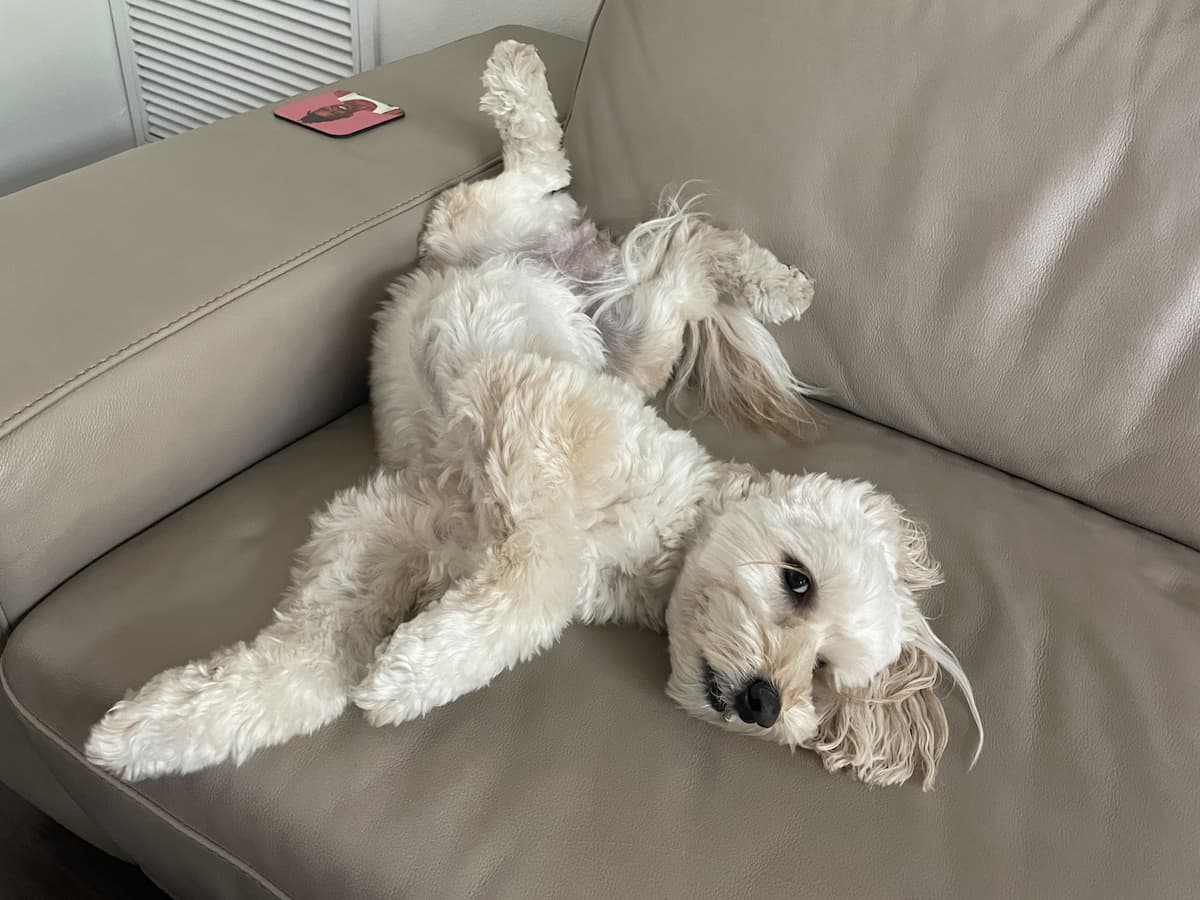
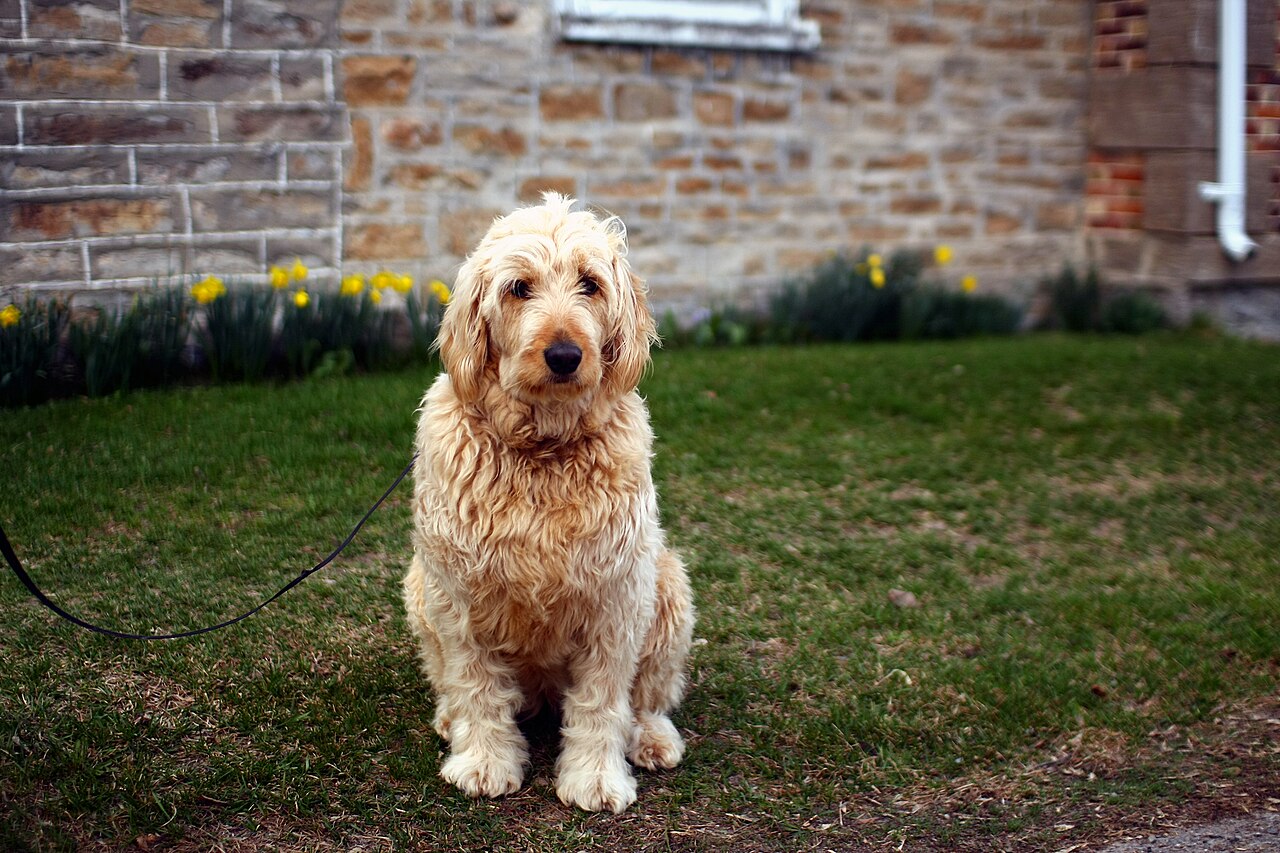
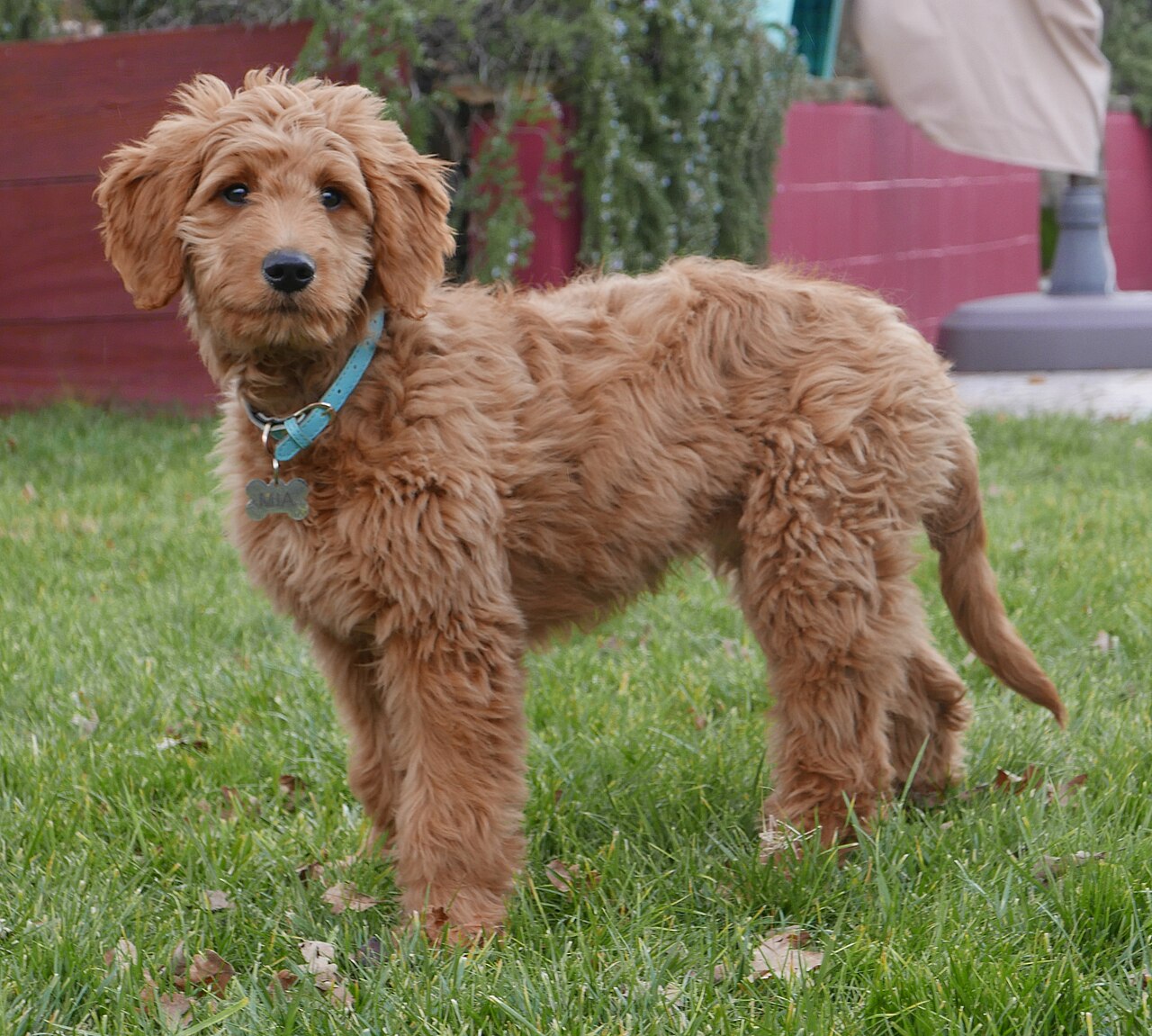
The Goldendoodle is a cross between a Golden Retriever and a Poodle. The British author Monica Dickens crossed the two breeds as early as 1969, but the Goldendoodle took off in the 1990s, when US and Australian breeders followed the success of the Labradoodle.
The Goldendoodle is not a recognized breed. The AKC, the FCI and the UK Kennel Club do not register it. The closest thing to a standard comes from the Goldendoodle Association of North America (GANA), a private breeder association with an open stud book, size categories and health-testing rules.
With no closed gene pool, the label covers very different dogs:
- F1: Golden Retriever x Poodle, 50/50
- F1b: F1 Goldendoodle x Poodle, about 75% Poodle, usually curlier and lower-shedding
- F2 / multigen: Goldendoodle x Goldendoodle, more variable unless the parents are coat-tested
Temperament and character
A well-bred Goldendoodle is outgoing and people-focused. In practice that means a dog that greets every visitor, follows you from room to room, carries things around the house (the retriever side) and learns house routines quickly (the poodle side). Most are poor guard dogs: they may bark at the door, then welcome the stranger.
Do not assume the cross guarantees a calm family dog. A 2019 survey study of Goldendoodles and Labradoodles (journal Animals, using the C-BARQ questionnaire) found that Goldendoodles scored higher for dog-directed aggression, dog-directed fear and stranger-directed fear than purebred Golden Retrievers. A 2026 Royal Veterinary College study on related doodle crosses also challenged the idea that doodles are automatically easier than their parent breeds. Temperament comes from the parents and from early socialization, not from the label.
Size and appearance
Size depends on the Poodle parent (Toy, Miniature or Standard) and on the generation. Breeder size estimates for a puppy are, in GANA's own words, an educated guess. GANA's categories, measured at the withers:
| Size | Height | Typical weight |
|---|---|---|
| Petite | under 14 in | up to 25 lbs |
| Miniature | 14-17 in | 26-35 lbs |
| Medium | 17-21 in | 36-50 lbs |
| Standard | over 21 in | 51-90 lbs |
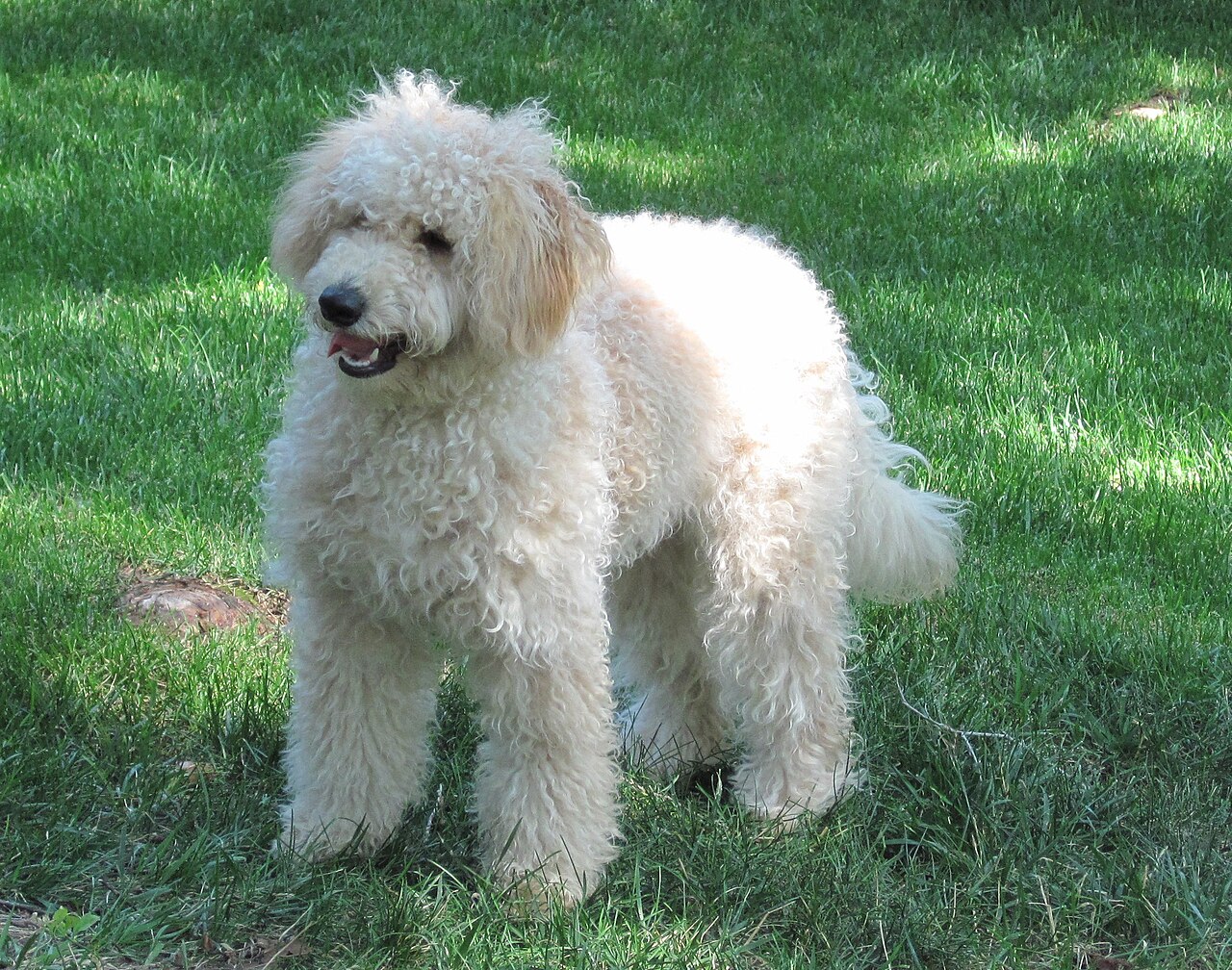
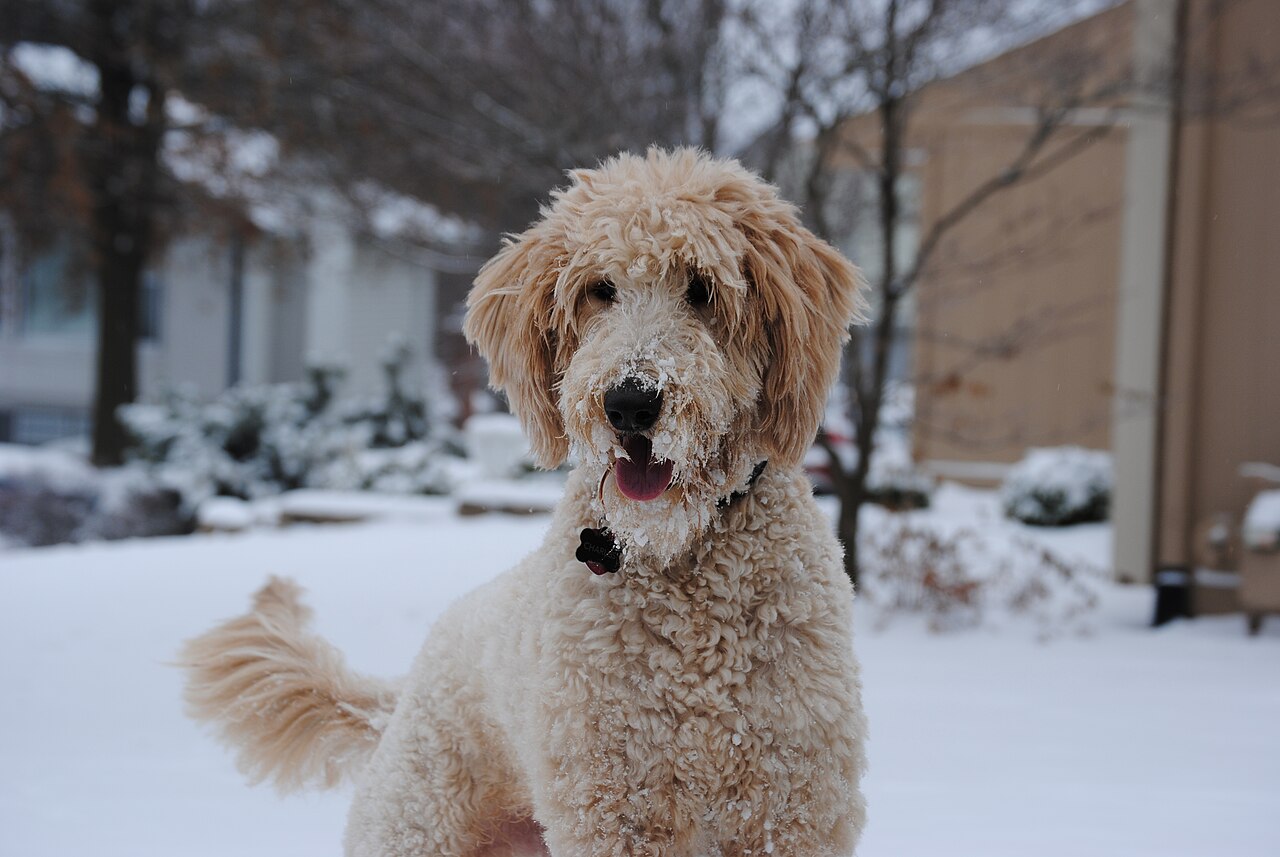
In metric, that spans roughly 35-63 cm and 11-41 kg (24.8 in and 90 lbs at the top end). Lifespan is usually given as 10-15 years, with smaller dogs tending toward the upper end. The coat can be curly, wavy or straight, in cream, apricot, red, gold and darker shades.
Exercise and daily life
Both parents are working breeds, so even a mini Goldendoodle needs real activity: plan on at least an hour a day of walks, fetch, swimming or sniffing games, plus some training. A Standard behaves like a young Golden Retriever and is a strong puller until taught otherwise.
Apartment life works for the smaller sizes if the dog is walked and occupied; a bored Standard in a small apartment is a different story. This is a companion breed, and many Goldendoodles struggle with long hours alone. If everyone in the household works full days, budget for a dog walker or daycare.
Training
Goldendoodles are usually quick, food-motivated learners. Positive reinforcement in short, frequent sessions works best.
Common difficulties:
- jumping on people (reward four paws on the floor from day one)
- leash pulling in the larger sizes
- mouthing and stealing objects (retriever instinct)
- separation problems if the puppy is never practiced at being alone
Given the fear findings above, puppy classes and calm early exposure to strangers, other dogs and the groomer pay off.
Grooming
This is the biggest hidden workload. A curly or wavy doodle coat mats easily, especially behind the ears, under the collar and in the armpits. Expect brushing down to the skin several times a week and a professional groom every 6 to 8 weeks. Many owners keep a short "puppy cut" to stay ahead of mats. Ears need regular checks and drying after swimming.
Health
A cross does not protect against the diseases both parent breeds share. A 2024 Royal Veterinary College study comparing Labradoodles, Cockapoos and Cavapoos with their parent breeds found no blanket health advantage, and the doodle crosses had a higher risk of ear infections. Conditions to know about in Goldendoodles:
- hip and elbow dysplasia
- progressive retinal atrophy (PRA), including the Golden Retriever forms GR-PRA1 and GR-PRA2
- subvalvular aortic stenosis (heart, from the Golden side)
- sebaceous adenitis and Addison's disease (from the Standard Poodle side)
- ear infections and skin allergies
- the high cancer risk known in Golden Retrievers
GANA requires these tests for breeding dogs: OFA hips (Fair or better), OFA elbows, a CAER eye exam every 2 years, a cardiac exam, OFA patellas, and DNA tests for prcd-PRA, GR-PRA1, GR-PRA2, ichthyosis, degenerative myelopathy, von Willebrand disease type 1 and NEWS. Ask to see results for both parents, not just a vet check of the puppy.
Cost
| Item | Typical cost |
|---|---|
| Puppy from a health-testing breeder | $2,000-$4,000 |
| Food | $600-$720 a year |
| Professional grooming | $600-$900 a year |
| Vet care | $700-$1,200 a year |
| Insurance | $30-$70 a month |
Expect roughly $2,000-$3,500 a year in total. Prices of $5,000 and more for "rare" colors or minis say nothing about health testing. Doodles also turn up in rescues, often surrendered over grooming or behaviour.
Who it suits and who it does not
Suits:
- active families who want a social, trainable dog
- first-time owners willing to invest in training and grooming
- people with mild allergies who have tested their reaction to the parents
Does not suit:
- anyone wanting a low-maintenance coat
- households where the dog is alone most of the day
- people looking for a guard dog, or for a guaranteed allergy-free dog
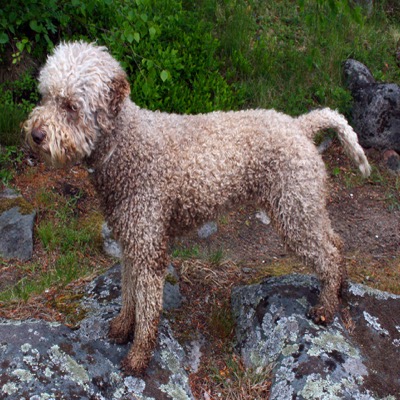
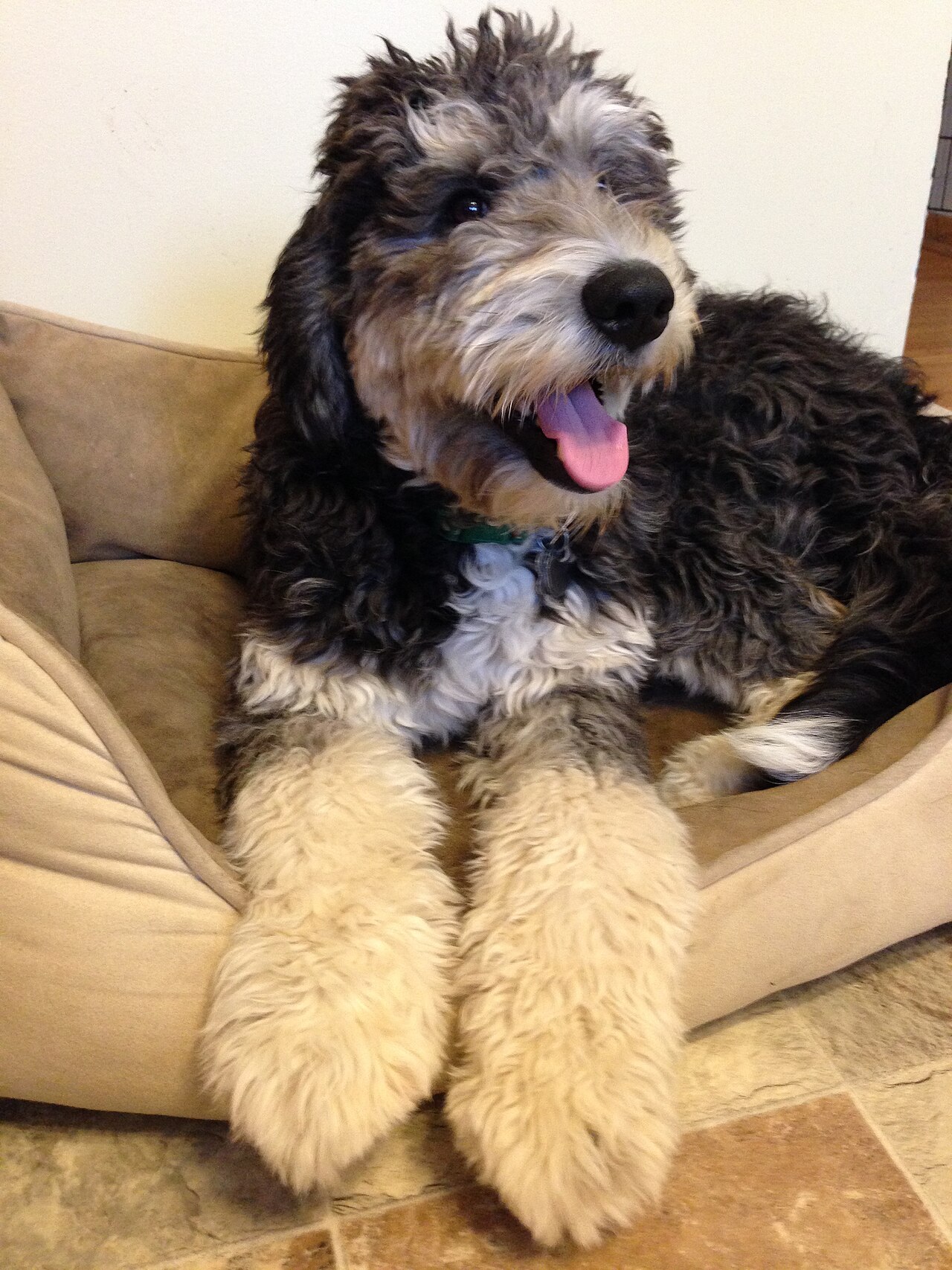
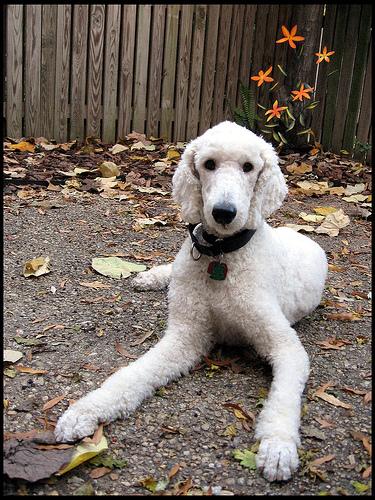
If you like the idea but want a more predictable coat and size, compare the Poodle; if shedding is no issue, the Golden Retriever gives you a known temperament. The Bernedoodle is the calmer, heavier doodle alternative.