Origin and history
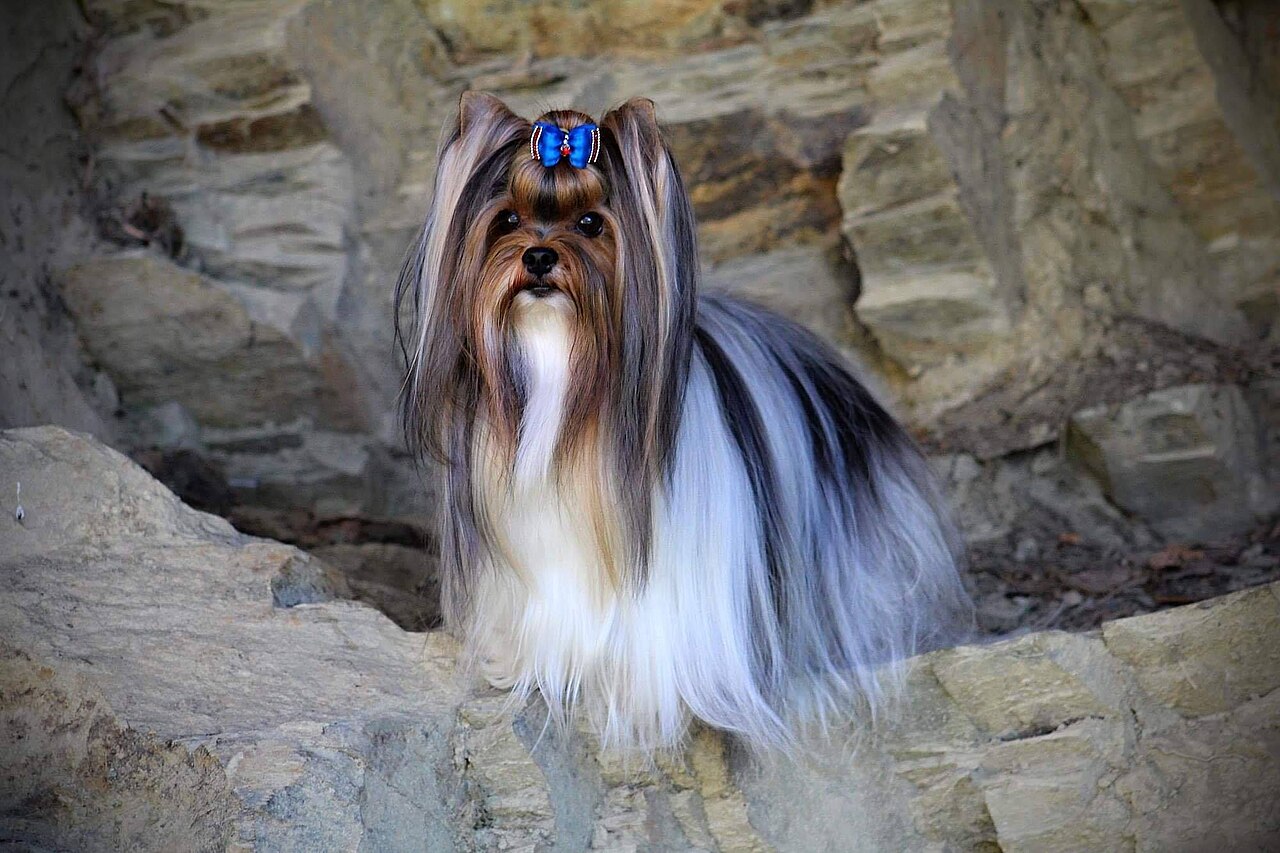
The Biewer Terrier (say "beaver") is a toy dog from Germany. In 1984 Werner and Gertrud Biewer, experienced Yorkshire Terrier breeders in Hirschfeld in the Hunsrück region, got puppies with white markings from two purebred Yorkies. White was a fault in the Yorkie, but the couple liked the black, white and gold pattern and bred for it on purpose. The color comes from a recessive piebald gene that was already hidden in the Yorkshire Terrier. A veterinarian friend suggested the name Biewer Yorkshire Terrier, and a well-known German singer (Margot Eskens, according to most accounts) added "à la Pom Pon". The AKC notes that the breed's original name was German Yorkshire Terrier.
American fanciers started importing Biewers in 2002, and the Biewer Terrier Club of America (BTCA) was formed around 2006. In 2007 the club asked Mars Veterinary to find out whether the Biewer was just a color strain of the Yorkie or a separate breed. The first results showed the samples were separate from the Yorkshire Terrier, and on October 5, 2009, Mars Veterinary published a Biewer Terrier breed signature.
The Biewer entered the AKC Foundation Stock Service and was assigned to the Toy Group in April 2014. In January 2021 it became the 197th fully recognized AKC breed, with the BTCA as parent club. It has climbed fast: 70th in AKC registrations in 2024 and 74th in 2025. The FCI does not recognize the breed, but several FCI countries now keep national stud books for it, including Germany, France and the Netherlands.
Temperament and character
The AKC standard sums it up: "Intelligent and loyal, they are affectionate and playful, making them excellent companions and family dogs." The AKC breed profile says a large share of Biewers are "happy-go-lucky" dogs with a "childlike attitude" that like to carry toys around. In daily life:
- It is a companion first. The AKC says its only purpose in life is "to love and be loved". Expect a shadow that follows you from room to room.
- It usually gets along with others. The AKC rates it 5 out of 5 with other dogs and describes it as friendly with strangers. The Dutch breed club adds that some are reserved at first and warm up with good socialization.
- It alerts, but it is not a nonstop barker. The AKC profile says it is quick to tell you about company without barking constantly.
- It is still a terrier. The AKC calls it hearty, athletic and "an excellent hunter of vermin". Hamsters and other small pets are not safe toys.
It gets on with considerate older children. With toddlers the problem is size, not temper: a 5-pound dog can easily break a leg if it is dropped or stepped on.
Size and appearance
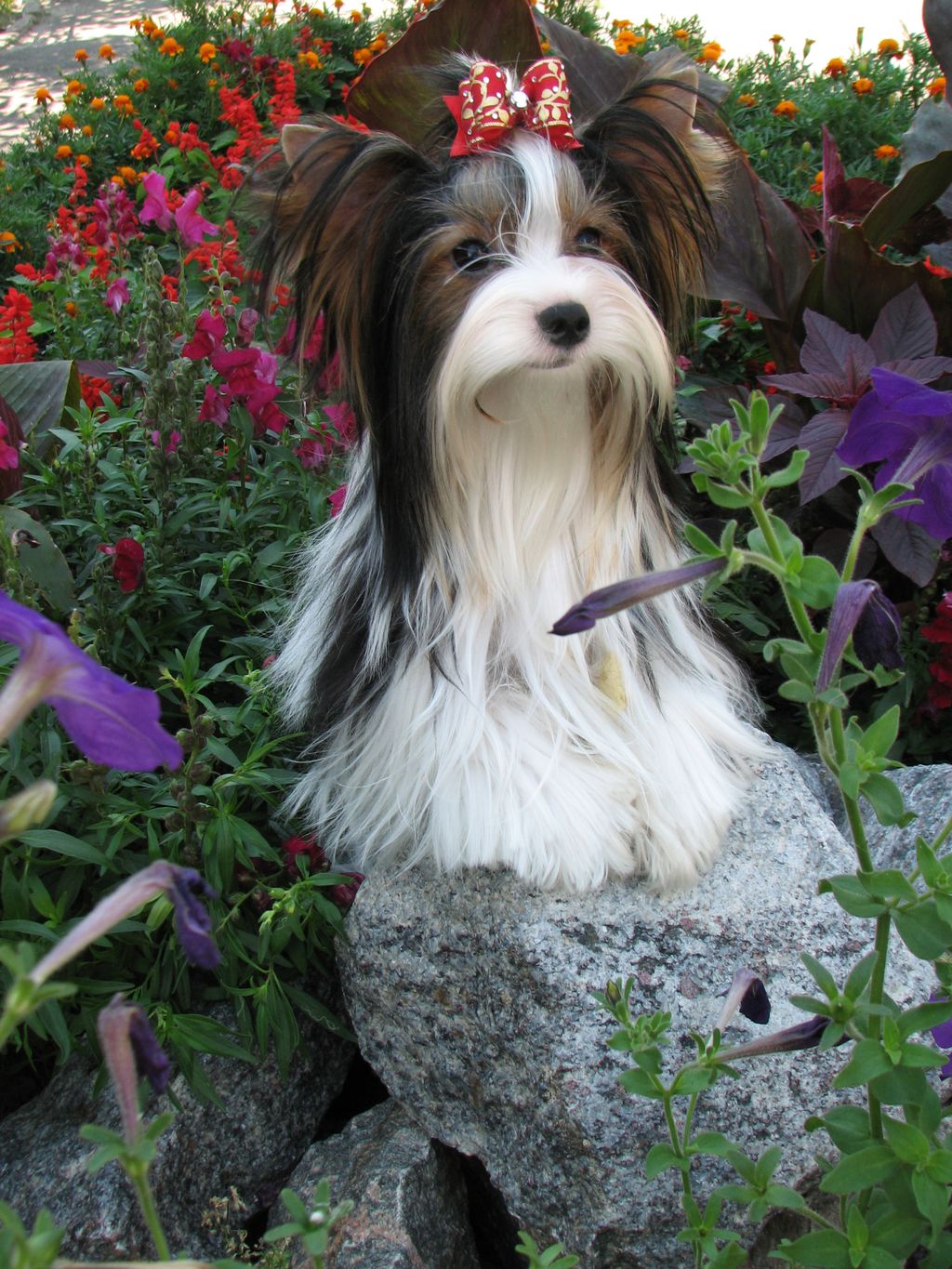
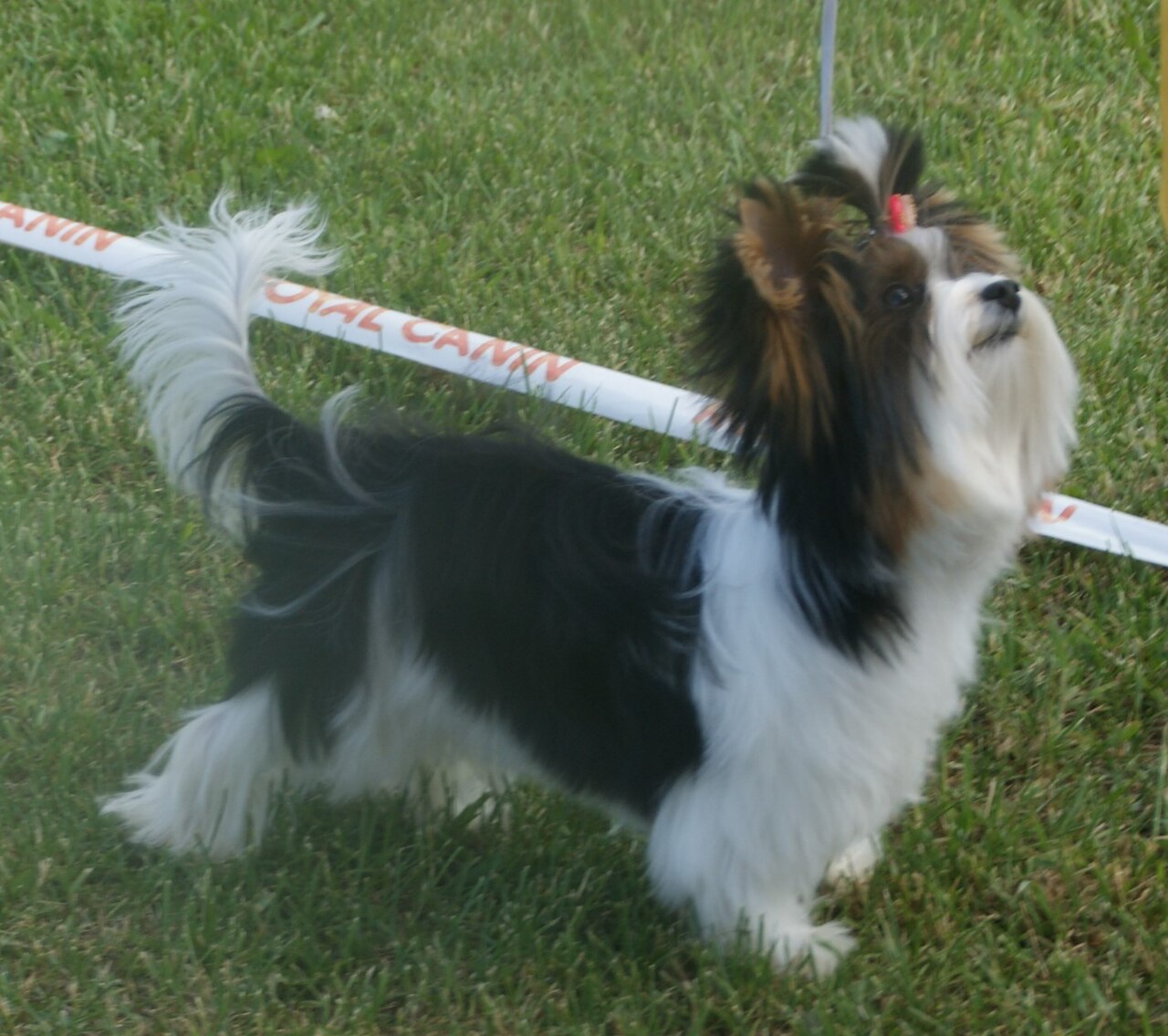
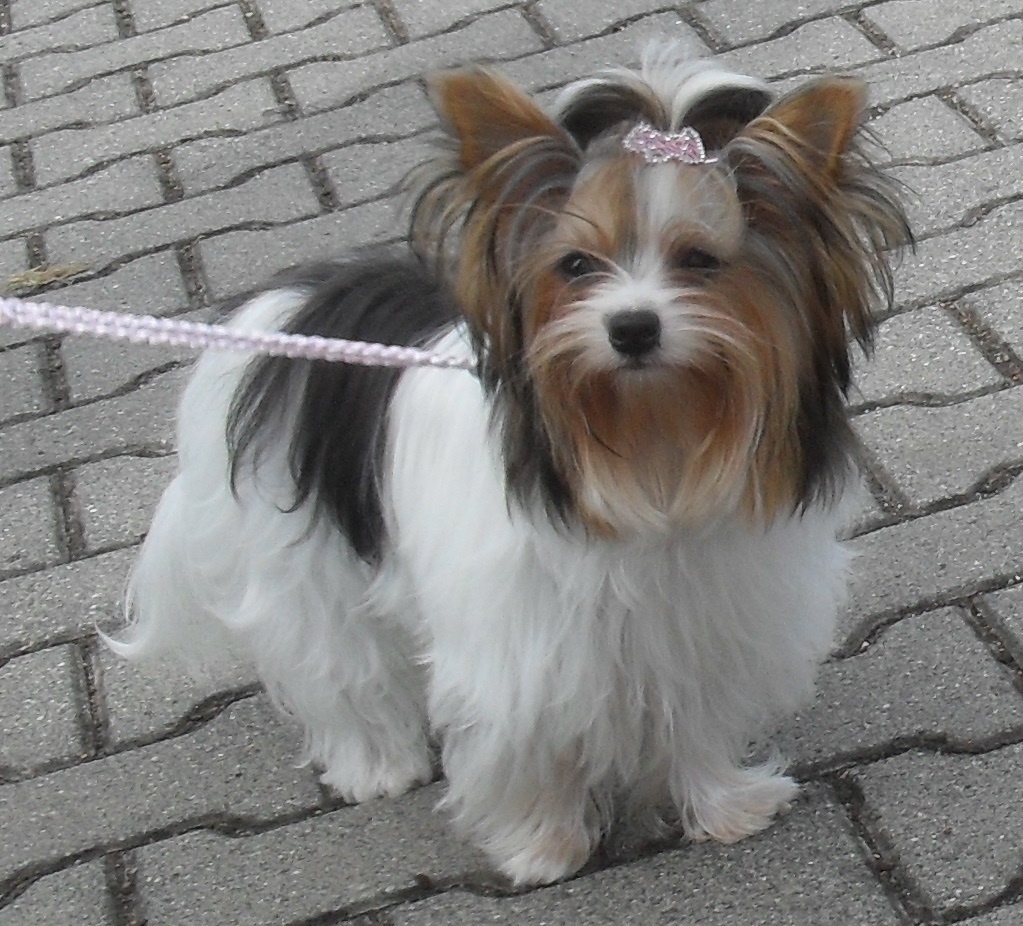
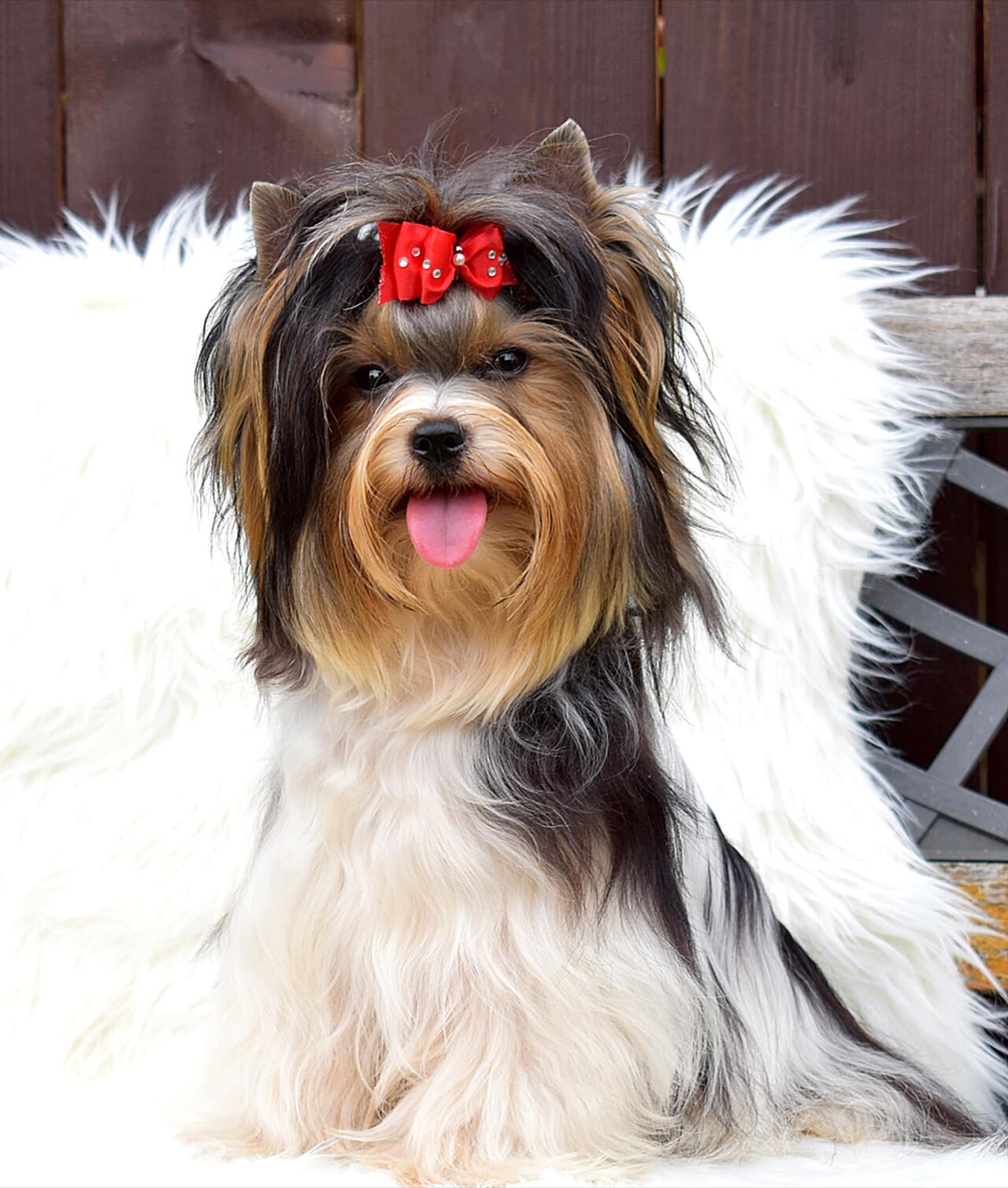
A tiny, elegant, long-haired toy terrier, slightly longer than tall, with small V-shaped prick ears and a high-set tail carried over the back with a long plume. The coat is straight, silky, without undercoat, and parts down the middle of the back. The hair on the head is tied up in a single ponytail with one bow. The head must show tan (gold) with black or blue and white; the body is black or blue and white; chest, legs and tail tip are white. A head without tan is a disqualification, and so is any other color pattern. Unlike Yorkies, Biewers are not docked.
| Males | Females | |
|---|---|---|
| Height | 8-10 in | 8-10 in |
| Weight | 4-8 lbs | 4-8 lbs |
| Lifespan | about 13-16 years | about 13-16 years |
| Coat | Long, straight and silky, no undercoat | Same |
Heights are from the revised AKC standard (approved February 2026, effective April 30, 2026); over 11 inches is a serious fault. The AKC breed profile still lists 7-11 inches, 4-8 pounds and a life expectancy of 16 years.
Exercise and daily life
The AKC rates the Biewer in the middle of its energy scale and calls it "a rather mellow, easy-going dog". Much of its exercise comes from play: chasing a ball down the hallway, hide-and-seek, learning tricks. Add one or two short walks a day and some new places to sniff. Biewers are agile and enjoy outings, and some do agility or rally.
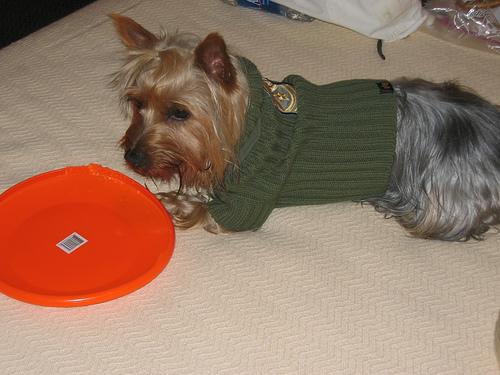
It is one of the easiest dogs to keep in an apartment. In bad weather even a walk in the building's hallway helps, the AKC says. Because there is no undercoat, it gets cold fast: a sweater in winter is practical, not a fashion choice. Watch it around big dogs at the park and on stairs and furniture, where jumps from a height can hurt small joints.
Training
The AKC calls Biewers "extremely intelligent" and easy to train, but also gives them a middle rating for trainability. Short, cheerful sessions with treats and toys work best. They love to perform, so trick training is a good outlet.
Typical difficulties:
- House-training. The AKC warns that potty training "may take a little longer". Use a strict schedule, frequent trips outside and, in a high-rise, maybe an indoor potty area.
- Small-dog syndrome. If it is carried everywhere and never asked to follow rules, it becomes bossy. Teach sit, recall and loose-leash walking like you would with any dog.
- Alert barking. Thank it once, then call it away and reward quiet.
- Fragility. Teach children to sit on the floor to hold the dog, and keep the puppy away from rough play with large dogs.
Grooming
This is the real work of owning a Biewer. The AKC says the long coat "requires daily brushing". Silky coats mat little, softer coats can tangle. Bathe every few weeks with good-quality products, trim the feet and the hair around the anus, and tie the topknot so hair stays out of the eyes. Nails need regular trimming, ears regular checks.
Many owners skip the floor-length show coat and keep a short puppy cut. Then, the AKC says, minimal grooming is needed, but plan on a professional groomer every 6 to 8 weeks. Shedding is minimal (AKC: 1 out of 5). That does not make the dog allergen-free, though many allergy sufferers do well with coats like this.
Teeth deserve as much attention as the coat: brush them several times a week.
Health
The BTCA calls the Biewer a relatively young breed with very few known health issues and "a very hearty breed" overall. What to know:
- Dental problems. The club names retained baby teeth and tartar build-up. Have the vet check at 6 months that baby teeth have fallen out.
- Sensitive digestion. The club notes a sensitive G.I. system, and the AKC says occasional soft or discolored stools are common. Change food slowly and see a vet if diarrhea persists.
- Luxating patella (slipping kneecap), common in toy breeds.
- Legg-Calve-Perthes disease, a hip problem of small dogs, and liver shunt, which a bile acid test can detect.
- Hypoglycemia in very small puppies, and tracheal collapse and bladder stones, as in other toy breeds.
For CHIC certification the BTCA lists an eye exam by an ACVO ophthalmologist, DNA tests for PRA-prcd and primary lens luxation (PLL), and a patella evaluation registered with the OFA. A cardiac exam, a Legg-Calve-Perthes X-ray, a serum bile acid test and DNA tests for degenerative myelopathy and hyperuricosuria are optional. Ask for the required tests for both parents and check them in the OFA database.
Cost
The Biewer is still a pricey toy breed. Chewy's breed guide puts a puppy at $1,500 to $4,000, with highly sought-after lines up to about $7,000. Start with the BTCA and the AKC Marketplace, and expect to wait for a litter. Cheap "tricolor Yorkie" puppies without AKC papers or health tests are a red flag.
Running costs are about $800 to $1,500 a year for food, routine vet care, preventives and insurance. A professional groomer every 6 to 8 weeks adds several hundred dollars, and dental cleanings under anesthesia are likely over the dog's life. Most states require a rabies vaccination, and many cities a dog license. Several states also have puppy "lemon laws" that give you rights if a puppy from a seller turns out to be sick.
Who it suits and who it does not
Good match for:
- Apartment dwellers who want a small, cheerful dog
- Seniors and singles looking for a close companion
- Families with considerate older kids
- People with mild allergies who want a low-shedding coat
Not a match for:
- Homes with toddlers or rough play
- Owners who want a wash-and-go coat and will not brush daily or pay a groomer
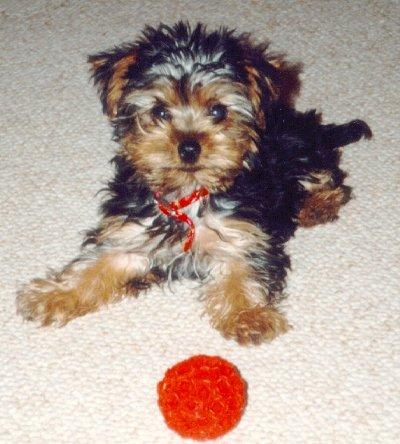
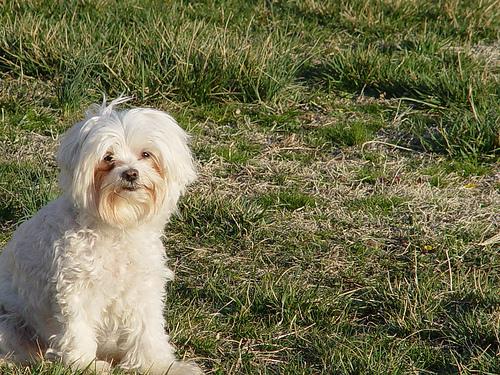
- People who want a hiking partner for long days in cold weather. If you like the look but want the classic coat color, the Yorkshire Terrier is its parent breed; for a sturdier small companion, the Havanese; for an all-white silky toy, the Maltese